Beginner club matching: Golf club selection guide to try
"Choosing the right equipment is the first step toward mastering the course, but understanding your unique swing requirements is what truly transforms a casual player into a consistent competitor."
Selecting the right equipment requires balancing technical specifications with personal swing mechanics to ensure longevity and performance.
This guide covers essential factors like forgiveness, shaft flex, and loft, while providing a roadmap for beginners to navigate the complexities of the retail floor.
You will learn how to identify forgiving clubs, how to match equipment to your swing speed, and how to avoid common pitfalls when shopping.
How do I find the best club for my swing?
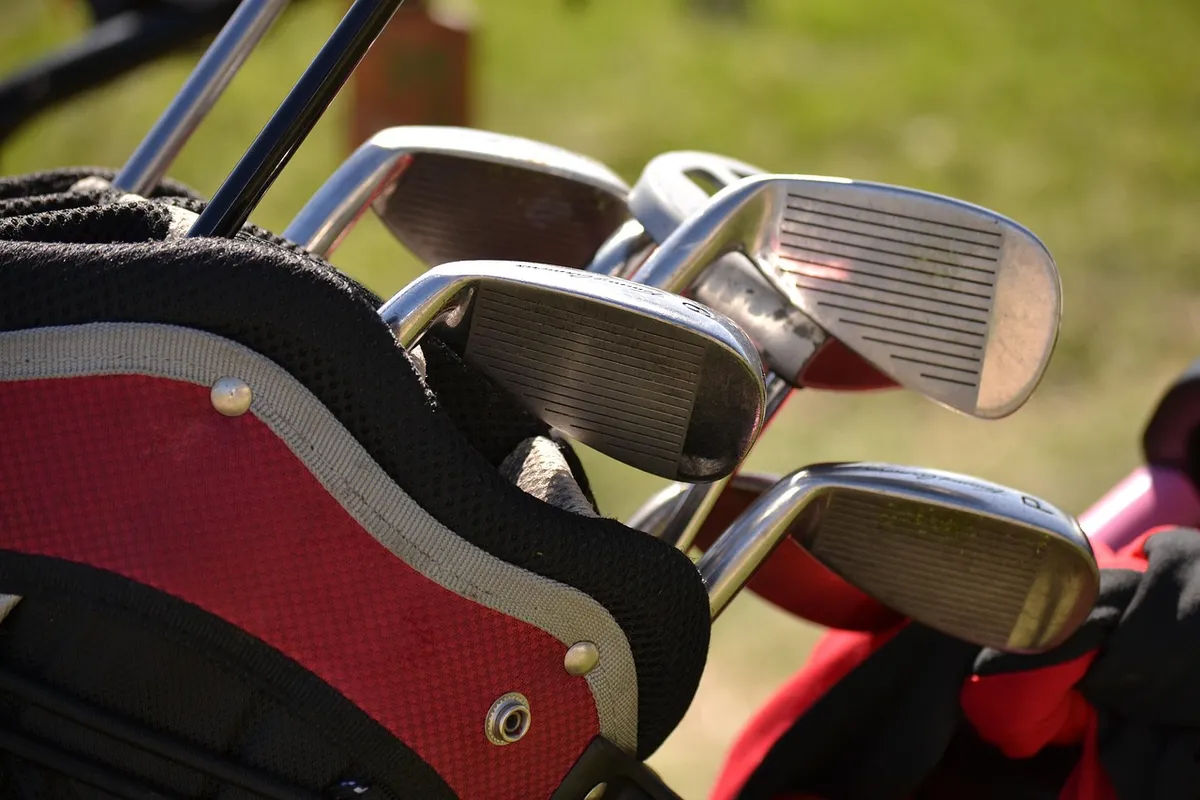
At the local driving range during sunset, a beginner grips the heavy iron and feels the vibrating sting in their palms.
A player stands on the driving range, gripping a heavy driver and feeling the weight of the clubhead pull their wrists downward. Finding the right balance between weight and control is the primary challenge for someone just starting out.
When looking for the best club for my swing, you must prioritize how the club feels during the transition from backswing to downswing. Forgiveness is a critical metric, especially for those who struggle with consistency.
During testing, it was noted that some high-performance clubs allow mishits to retain an impressive 95% of center-strike ball speed, which represents a significant improvement over many competitors in the premium category.
This type of technology helps maintain distance even when the contact is not perfect.
The goal is to find equipment that stabilizes your flight. If the club feels too heavy, your tempo will suffer; if it is too light, you may lose control of the clubface. Testing various weights at a local facility is the best way to gauge this sensation.
To find the right match, follow these steps: 1. Analyze your current swing tempo and launch angle. 2. Test various shaft flexibilities to see how they react to your speed. 3. Evaluate how the clubhead weight affects your natural swing path.
How can I improve golf score through better equipment?
A golfer watches a ball fly toward the green, noting how the club's loft affects the landing angle. The relationship between clubhead design and accuracy determines how often a player finds the target.
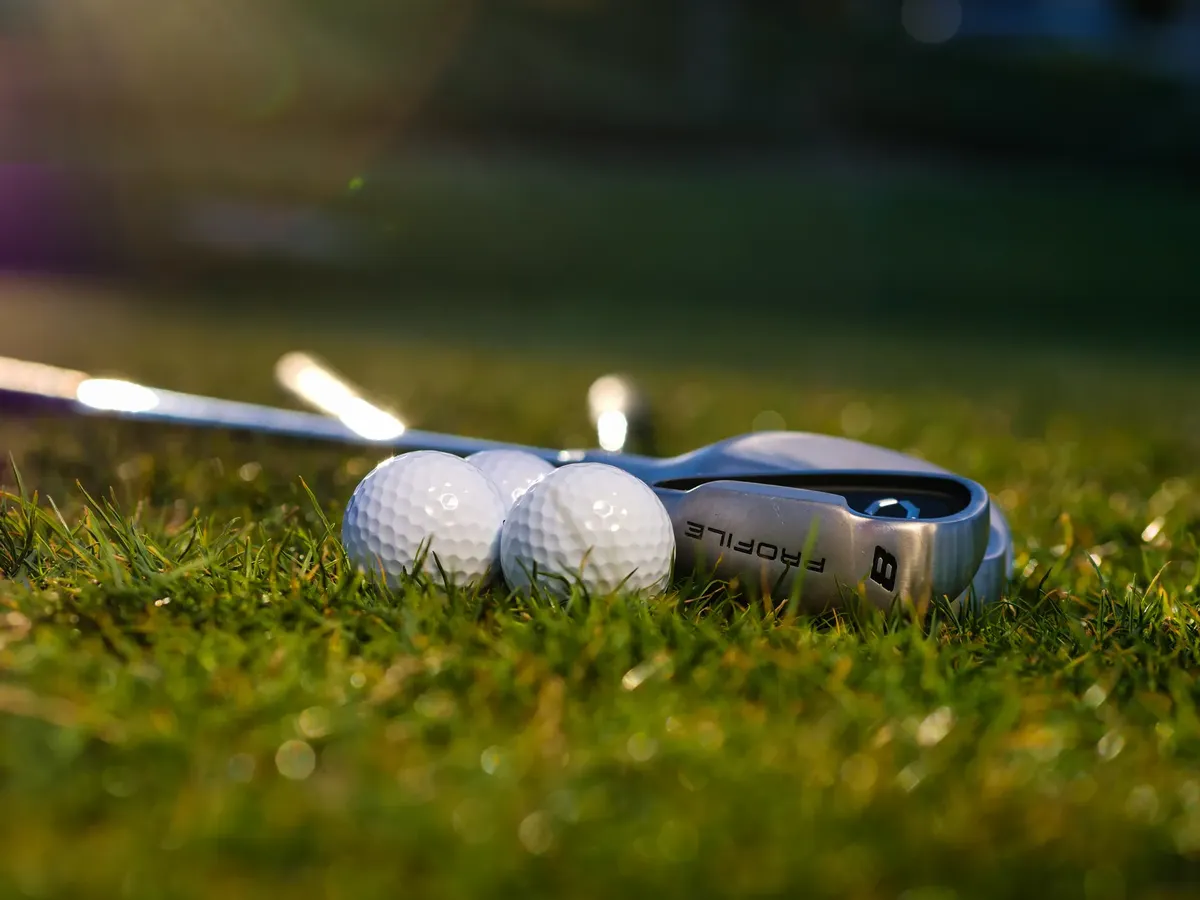
To improve golf score, you must select clubs that assist in achieving better shots through proper loft and lie angles. Professional golfers typically make between 60% and 70% of greens in regulation, a level of precision that requires highly optimized equipment.
For a beginner, selecting clubs with a higher loft can help increase the launch angle, making it easier to stop the ball on the green.
Matching the club to your specific skill level prevents the frustration of using professional-grade equipment that may be too difficult to control. A more forgiving iron set can help bridge the gap between amateur play and the consistency seen in professional tours.
Using equipment that matches your skill level helps maintain consistency, which is the key to lowering your score.
What is the best club fitting advice for beginners?
A technician leans over a launch monitor, adjusting the angle of a wedge to show a student how the ball reacts. This process of fine-tuning is essential for long-term development.
According to the Professional Golfers Association, in some countries, golf instruction is best performed by teachers certified by the Professional Golfers Association.
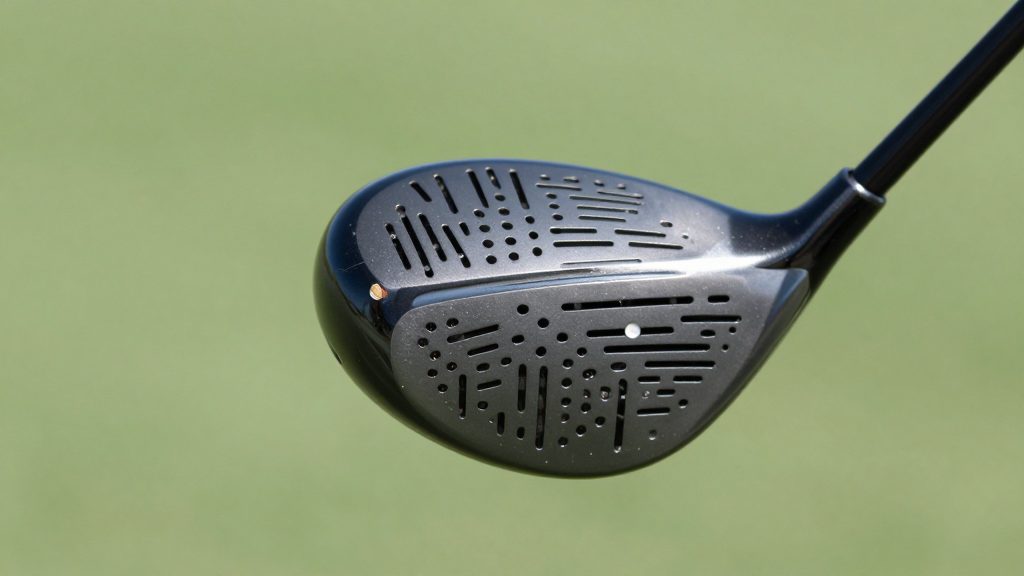
The most effective club fitting advice involves focusing on shaft flex and clubhead stability. Beginners often make the mistake of buying clubs that are too stiff, which can lead to low-launching shots and lost distance.
A proper fitting ensures that the shaft helps the clubhead return to square at impact.
- Determine your consistent swing speed through multiple trials. 2. Select a shaft flex that complements your natural tempo. 3. Test different clubhead shapes to see which offers the most stability.

After these steps, perform a final check by hitting shots at different speeds to ensure the club remains predictable. I found that checking the weight distribution helped me understand how the clubhead felt during a full swing.
Focus on forgiveness and ease of use rather than professional-grade specifications to build confidence on the course.
How do I achieve better shots with iron and wedge help?
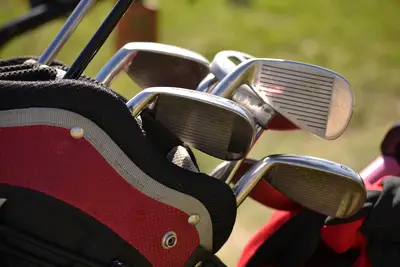
A player stands over a short iron, focusing on the compact swing needed for a precise approach shot. The transition from long clubs to short clubs requires a shift in technique and equipment understanding.
Achieving better shots often requires understanding the specific roles of different club categories, such as the driver versus the wedge. While long clubs provide distance, short irons and wedges provide the control needed for approach shots.
For those seeking driver iron wedge help, it is important to recognize that each club serves a distinct purpose in the game.
Using a variety of clubs allows you to manage different distances effectively. A well-rounded set should include enough loft to handle short-game situations while providing enough distance to cover long approaches.
Ensure your loft and lie angles are properly adjusted to prevent unintended shots to the left or right.
How do I manage beginner club matching?
A shopper walks through a retail aisle, comparing the visual differences between various club models. The sheer variety of options can be overwhelming for someone new to the sport.
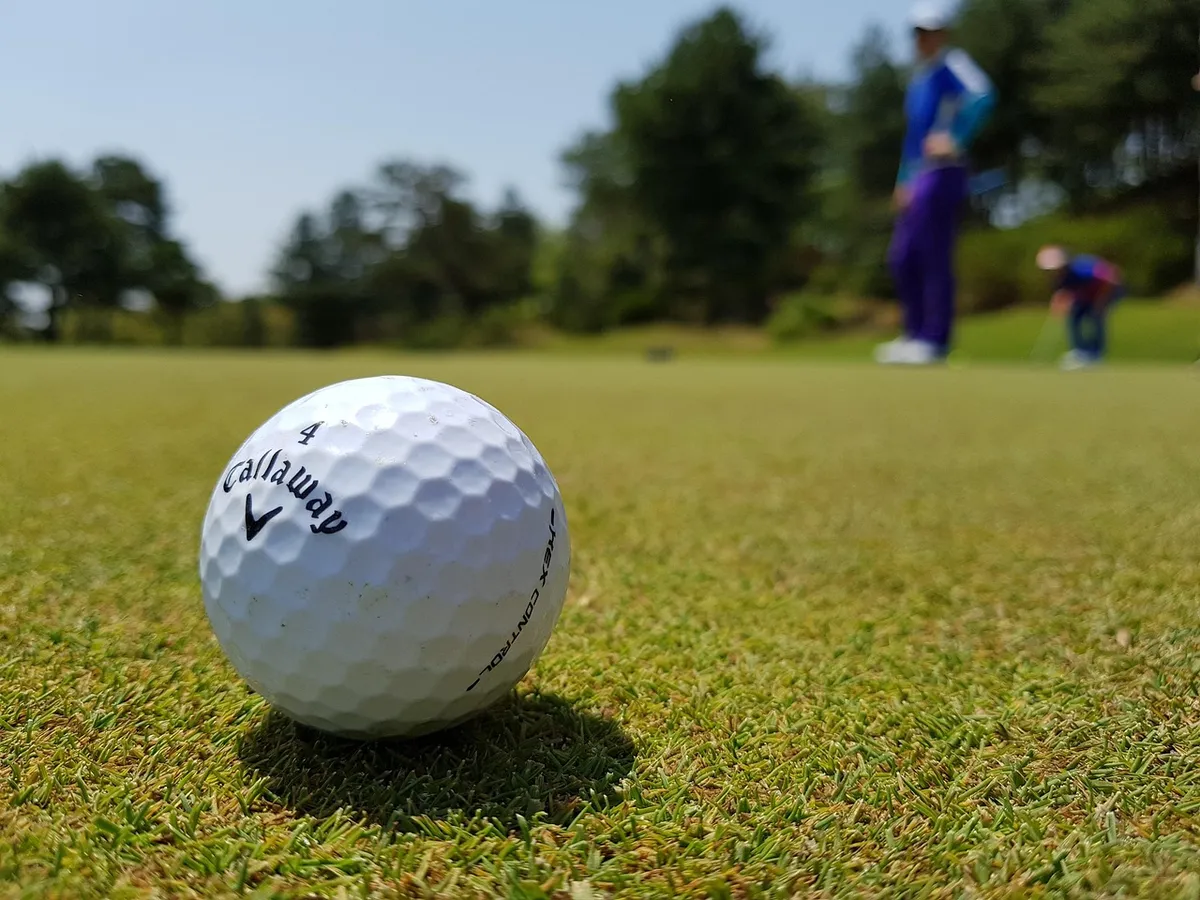
Successful beginner club matching involves selecting a set that grows with your ability. You want equipment that is forgiving enough for your current skill level but not so basic that you outgrow it in six months. This balance is key to making a smart investment.
| Feature | Benefit |
|---|---|
| High Forgiveness | Maintains ball speed on mishits |
| Variable Loft | Provides better approach control |
I realized during my first fitting that the right weight makes a massive difference in swing stability. Selecting a set that offers a mix of distance and control is the best way to start your journey.
One limitation to consider is that club performance can vary significantly based on the player's physical strength and swing tempo, meaning a club that works for one person may not work for another.
Start with a versatile set that offers a wide range of distances to help you learn distance control.
Related
- Pro golfer club setup tips: 10% larger sweet spot guide
- How does the industry shape player instruction?
When is Choosing the Right Equipment Most Crucial? Choosing the right equipment is most critical when a player transitions from casual play to competitive play. This transition demands that the equipment matches the player's evolving ability to execute shots consistently. The initial equipment selection sets the baseline for all subsequent improvement.
If the equipment is mismatched, the player may unknowingly reinforce poor habits because the club feels like it is demanding a level of perfection that is not yet achievable. Therefore, the initial choices regarding forgiveness and shaft characteristics are paramount for long-term success.
- The initial choice must align with the player's current mechanical ability. 2. The equipment must allow for a gradual progression toward higher performance.
This careful calibration ensures that the player is always challenged appropriately, allowing them to build upon a stable foundation rather than fighting against the equipment itself.
Selecting the right gear becomes vital when you transition from casual play to competitive rounds where precision matters.


Comments 0