Club fitting for beginners: Why fitting is important now
"A specific shaft might perform well in a particular head, yet still deliver a boardy feeling at impact."
Club fitting for beginners is the process of matching golf equipment to an individual's unique swing mechanics to improve consistency and accuracy. This guide covers how to navigate the fitting process, the importance of professional guidance, and how to avoid common equipment mismatches.
This article is for new golfers looking to build a reliable bag, though it is important to note that fitting results can change as a player's swing evolves.
Why does club fitting for beginners matter most?

A golfer stands at the launch monitor, watching a single shot fly toward the target. Choosing the right equipment ensures that the club works with the player rather than against them.
Beginner club fitting help often centers on finding a balance between forgiveness and control. For a new player, the goal is to find equipment that compensates for inconsistent contact while providing enough feedback to learn.
Without professional guidance, a player might select a club that looks good but fails to suit their specific swing speed or tempo.
The importance of club fitting becomes clear when a player realizes that "off-the-shelf" solutions do not account for individual physical attributes. A professional can adjust lie angles, loft, and shaft flex to create a more repeatable motion.
For someone just starting, this foundational setup prevents the development of bad habits caused by improper equipment.
Starting with the right equipment prevents the development of bad habits that are difficult to correct later.
How do you navigate the fitting process tips?
A technician adjusts a clubhead setting while a player prepares for the next swing. This methodical approach ensures every variable is tested under controlled conditions.

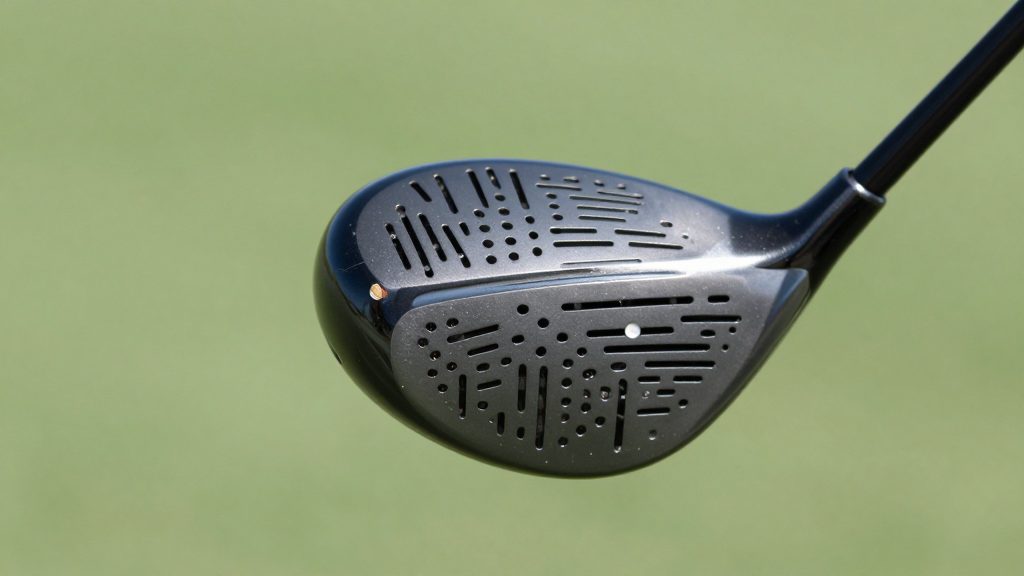
Effective fitting process tips involve testing various combinations of heads and shafts to find the optimal match. A player might test a specific shaft, such as the Diamana TB 60R, in a Stealth 2+ 18 degree head to see how the weight and flex interact.
Even if a club performs well in terms of distance, the sensation at impact is a critical factor.
One user noted that while a specific setup performed well, it still produced a "boardy feeling" at impact. This sensation is a vital piece of feedback that a beginner must consider. If a club feels too stiff or jarring, it can negatively affect the player's confidence and swing rhythm.
- Identify your current swing tendencies.
- Test various club specifications with a professional.
- Select equipment that offers the most forgiveness.
What are the common mistakes in choosing your clubs right?
A player swings a club that looks perfect but feels awkward upon contact. This mismatch between visual appeal and functional performance is a frequent pitfall for new golfers.
When choosing your clubs right, players often fall into the trap of buying equipment based on brand popularity or ease of use seen in videos. A new golfer might be eager to be fitted by a professional, but they must also consider the age and relevance of the advice they receive.
For instance, a video that is 8 months old might feature technology that has since been updated.

Another mistake is ignoring the physical feedback of the club during the swing. A club that hits the target but feels unpleasant can hinder long-term progress. Beginners should focus on the relationship between the shaft and the head to ensure the energy transfer feels natural.
In this sequence, the first step is the most critical for long-term success.
Why is a new golfer fitting guide necessary for consistency?
The sun shines on the practice green as a golfer adjusts their grip on a newly fitted iron. Consistency is the primary goal of any professional equipment adjustment.
A new golfer fitting guide should emphasize that equipment is a tool for stability. While a PGA average from 15 feet is actually 23%, players aim for much higher precision through proper fitting. Achieving better control requires an understanding of how clubhead stability affects ball flight.
| Component | Primary Function | Impact on Beginner |
|---|---|---|
| Shaft | Controls tempo and flight | Prevents erratic dispersion |
| Clubhead | Manages forgiveness | Assists with off-center hits |
I once tested a set of irons where the shaft felt perfect during the backswing but lost all feel during the downswing. This taught me that the transition of the shaft is just as important as the static measurements.
A proper fit provides a reliable baseline, making it easier to repeat your swing mechanics.
What are the limitations of professional fitting?

A golfer walks off the mat, realizing that their swing has changed since their last session. The relationship between a player and their equipment is constantly shifting.
A limitation of any single fitting session is that it represents a snapshot in time. As a player's swing speed increases or their technique changes, the previously fitted equipment may no longer be optimal.
A setup that felt perfect during the initial fitting might become too weak or too stiff as the player improves.
A fitting is a snapshot of your current ability and may not account for how your swing evolves over time.
Related
- Custom Club Fitting Guide: Why select the best club?
- Choosing the right driver head weight is a key factor in
When should a golfer revisit their setup?
- If a player notices a change in their swing mechanics, they should revisit the setup. 2. A shift in the player's technique or increased swing speed warrants a re-evaluation of the equipment pairing. 3. The initial fitting provides a baseline, but sustained improvement suggests the need for refinement.
This is especially true when the initial feeling of the club, even if it achieves distance, feels suboptimal upon contact. The specific shaft, for example, might feel perfect during the swing motion but still yield an unpleasant sensation at impact, indicating a need to explore alternatives.
You should consider a re-fitting when you notice a significant change in your swing speed or physical strength.
How does the feeling of the club relate to performance?
The feeling a player gets from the club during impact is a crucial piece of data gathered during the fitting session. A specific shaft might execute the intended trajectory, yet if the resulting sensation is jarring, it signals a disconnect between the equipment and the player's comfort zone.
This feeling is as valuable as the ball flight data collected by the launch monitor.
If the initial fitting provides excellent data but the player still feels a mismatch, it suggests the equipment is compensating for a swing flaw rather than enhancing a sound swing.
The goal of the fitting is to make the club feel like an extension of the player's body, not an external object they are fighting against.
This is particularly true when the player transitions from the backswing to the downswing; a perfect match feels effortless through the entire motion, whereas a slight mismatch causes strain or discomfort upon contact.
When is the initial fitting most valuable?
The initial fitting session establishes the baseline performance metrics for the player's current swing. This baseline serves as the necessary starting point against which all future improvements are measured. Without this starting point, subsequent adjustments lack context.
For a beginner, the most valuable aspect is establishing a repeatable motion that minimizes variables outside the player's control. The professional guidance ensures that the equipment is not merely matching a desired outcome but is also accommodating the reality of the player's current execution.
This foundational matching allows the player to focus on refining technique rather than wrestling with unpredictable equipment behavior.

Comments 0