Beginner golf club selection: why equipment proves its worth
"The right equipment makes the difference between a frustrating afternoon and a rewarding game."
Choosing the right beginner golf club selection involves balancing ease of use with durability to ensure a smooth learning curve. A proper setup focuses on forgiving clubheads, appropriate weight, and high-quality entry-level options that accommodate fundamental swing mechanics.
This guide covers essential equipment criteria, how to manage club weight, and common pitfalls to avoid during your first purchase.
How to start your beginner golf club selection?

As the morning sun hits the pro shop, I grip a polished iron and feel the cold metal against my palms while beginning my beginner club selection.
Walking into a pro shop for the first time can feel overwhelming as rows of gleaming metal face you. You might feel pressured to buy a full set immediately, but understanding the basics of clubhead design is the first step toward a successful game.
A solid starting golf club setup prioritizes forgiveness over professional-grade precision. Beginners often struggle with consistent contact, so choosing clubs with larger sweet spots helps mitigate mishits.
According to industry trends, investing in high-quality, entry-level options will be a key growth area for the next 6-12 months. This focus on entry-level quality ensures you gain enough skill to graduate to more specialized equipment later.
- Determine your current swing speed and physical strength.
- Identify the specific types of clubs that offer the most forgiveness.
- Set a realistic budget for your initial investment.
What are the weight differences in a golf club guide for newbies?
Standing on the practice green at noon, I swing a heavy iron and feel the sudden pull on my wrists, realizing how weight shifts during a beginner guide session.
Lifting a club and feeling its balance is a vital part of the shopping experience. You might notice that different irons feel significantly heavier or lighter when you swing them through the air.
Understanding weight distribution is essential for swing consistency. To combat the difficulty of hitting different clubs, higher-numbered iron clubheads are heavier than lower-numbered iron heads. There is generally a 1⁄4-ounce (7 g) increase in mass between one clubhead and the next higher number.
This gradual change helps maintain a predictable feel as you transition between different distances.
| Club Type | Mass Characteristic | Purpose |
|---|---|---|
| Lower-numbered irons | Lighter mass | Longer distance and higher swing speed |
| Higher-numbered irons | Heavier mass | Better control and easier contact |
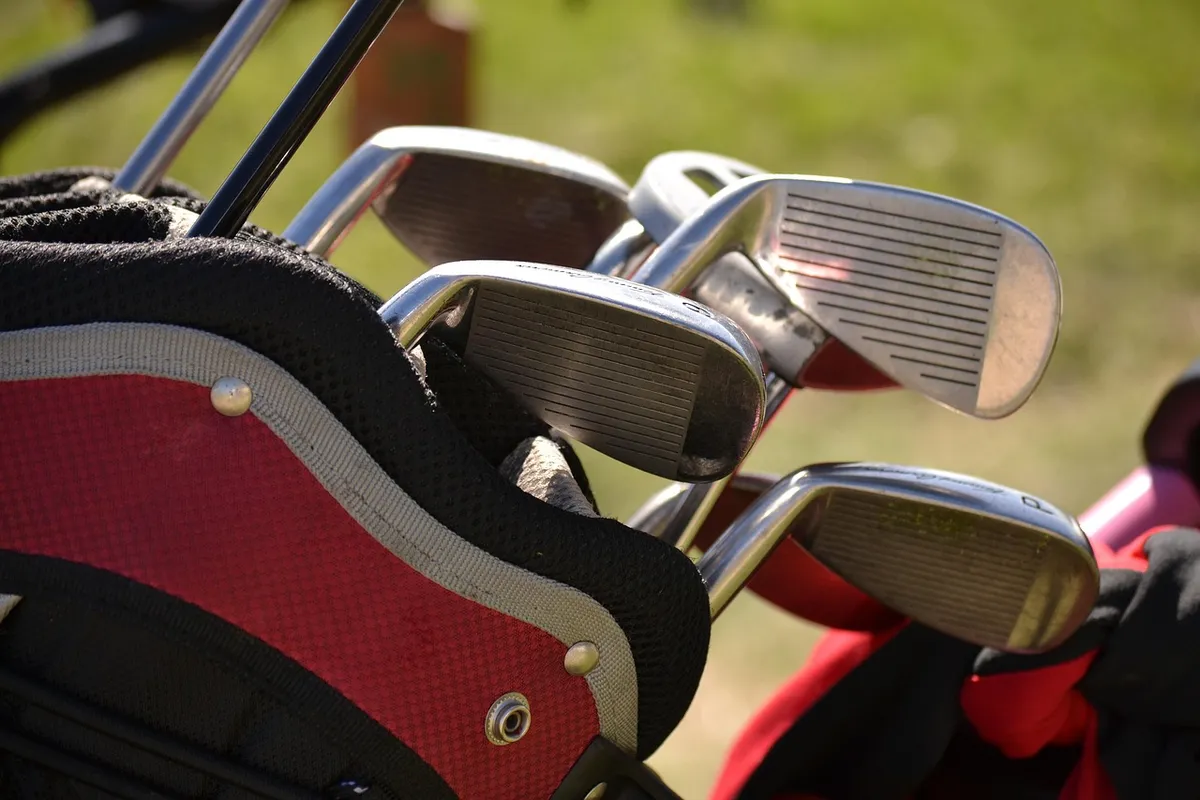
I once spent an entire afternoon testing various iron sets to see how that 1/4-ounce difference felt in my hands.
In this sequence, the second step is the most significant.
What makes an essential beginner club set?
Picking up a heavy bag of clubs and heading to the first tee requires a reliable kit. You want tools that work with your natural movements rather than fighting against them.
An essential beginner club set should prioritize durability and ease of use. When looking at junior or entry-level sets, customer feedback often highlights specific needs.
Positive tags for kids' and junior sets include "Fun for All Ages" (30.7%), "Portable" (27.3%), and "Durable Construction" (12.5%). For those looking at complete sets for all golfers, positive feedback mentions "High quality" (16.8%), "Quiet operation" (11.6%), and "Elegant design" (11.6%).
Selecting a set that balances these traits ensures your initial investment lasts through your learning phase.
How to choose first clubs effectively?
Standing on the driving range with a brand-new driver in hand can be intimidating. You need to ensure the equipment you select actually matches your physical strength and swing style.
To successfully navigate the selection process, follow these steps:
- Evaluate clubhead forgiveness to ensure a larger sweet spot for off-center hits. 2. Check the weight of the clubheads to ensure the progression from low to high numbers feels natural. 3. Test the grip size and weight to ensure it fits your hand and swing tempo.
After completing these steps, perform a final check by hitting a few balls to see if the clubhead mass feels manageable during a full swing.
What are the pitfalls of beginner golf club advice?
Walking through a retail store, you might see flashyly packaged sets that promise instant improvement. It is easy to be swayed by marketing, but some features can actually make the game harder.

Sometimes, the most attractive sets come with hidden frustrations. Negative comments in the industry focus on "Packaging issue" (29.3%), "Hard starting" (17.1%), and "Pricey" (9.8%).
A common mistake is choosing a set that is too difficult to use, specifically those labeled as "hard starting," which can hinder a novice's progress. Always look beyond the aesthetic to ensure the club's technical specifications support your current skill level.
Wikipedia: Golf Based on the retained excerpt mentioning National Golf Foundation: In the United States, the number of people who play golf twenty-five times or more per year decreased from 6.9 million in 2000 to 4.6 million in 2005, according to the National Golf Foundation.
Related
When is the right equipment most crucial?
The right equipment proves its worth when the golfer moves past the initial learning phase and begins serious practice. A golfer who has mastered the basics benefits greatly from matching their skill level to the club's capabilities.
This transition phase demands that the equipment supports refined technique rather than masking fundamental flaws.
What cautions regarding the right equipment should a beginner heed?
One caution is against prematurely assuming that a beginner must use the most advanced gear available. The initial investment should be in reliability and playability, not cutting-edge technology.
The right equipment allows the golfer to focus on swing mechanics without being distracted by inconsistent club feel or excessive weight difference.
Why is the right equipment important for long-term improvement? The right equipment facilitates the journey from novice to competent player. When a golfer reaches a point where mechanical skills are established, the equipment must match that developed ability. This synchronization allows the golfer to concentrate on subtle refinements rather than compensating for poor tools.
What is the role of the right equipment during practice? The right equipment serves as a consistent partner during dedicated practice sessions. It allows the golfer to isolate swing flaws because the tools themselves are not introducing variables. This consistency is vital for cementing proper muscle memory and technique.
When should a golfer consider upgrading their equipment?
After the golfer has moved beyond the initial learning phase and feels consistent contact, they might explore different models. The progression should be driven by the desire for greater performance, not by the initial limitations of the starter gear.
This careful timing ensures that any future investment yields returns on established skill.

Comments 0