Custom Club Fitting Guide: Why select the best club?
"The right club is not a luxury; it is a technical requirement for consistent ball striking."
A Custom Club Fitting Guide helps golfers of all skill levels transition from generic equipment to tools that match their unique swing mechanics. This guide covers the fundamentals of selection, the necessity of professional adjustment, and the specific needs of various players.
Key takeaways: * Understanding how swing speed and hand position dictate shaft choice. * Identifying the right time to transition from starter sets to custom equipment. * Differentiating between forgiveness-oriented heads and player-specific models.
How do you begin a Custom Club Fitting Guide?

As I step into the quiet studio, I grip the heavy iron and realize this custom journey begins with a single swing.
Walking into a professional fitting studio, the smell of fresh grip rubber and the sound of high-frequency impact fills the air. I remember staring at a row of various shafts, wondering how such small changes could alter a ball flight so drastically.
A proper Custom Club Fitting Guide starts with an honest assessment of the golfer's current swing speed, tempo, and strike consistency.
Beginner Club Fitting focuses on stability and ease of use rather than extreme precision. For those just starting, the priority is often finding clubs that offer maximum forgiveness to compensate for inconsistent contact.
This stage involves selecting clubheads with larger sweet spots and shafts that help stabilize the clubhead during the swing.
As players improve, the focus shifts toward more nuanced adjustments. Pro Level Club Fitting requires a much deeper dive into launch angles, spin rates, and swing weights to shave strokes off a scorecard.
Professionals need equipment that reacts predictably to high-speed movements, requiring much tighter tolerances than standard retail sets.
The process of Custom Club Selection involves testing various head-to-shaft combinations to find the perfect balance. A fitter will look at how the clubhead sits at address and how the weight feels through the transition.
This personalized approach ensures that the equipment works for the player, rather than forcing the player to adjust to the equipment.
Effective Golf Club Fitting Tips suggest that players should not rush the process but instead focus on repeatable results. While it is tempting to chase the latest technology, the most important factor remains how the club feels during a full swing.
Consistency in testing across different environmental conditions can provide a clearer picture of long-term performance.
- Define your current performance goals.
- Assess your existing equipment limitations.
- Schedule a session with a professional fitter.
When should I get a club fitting?
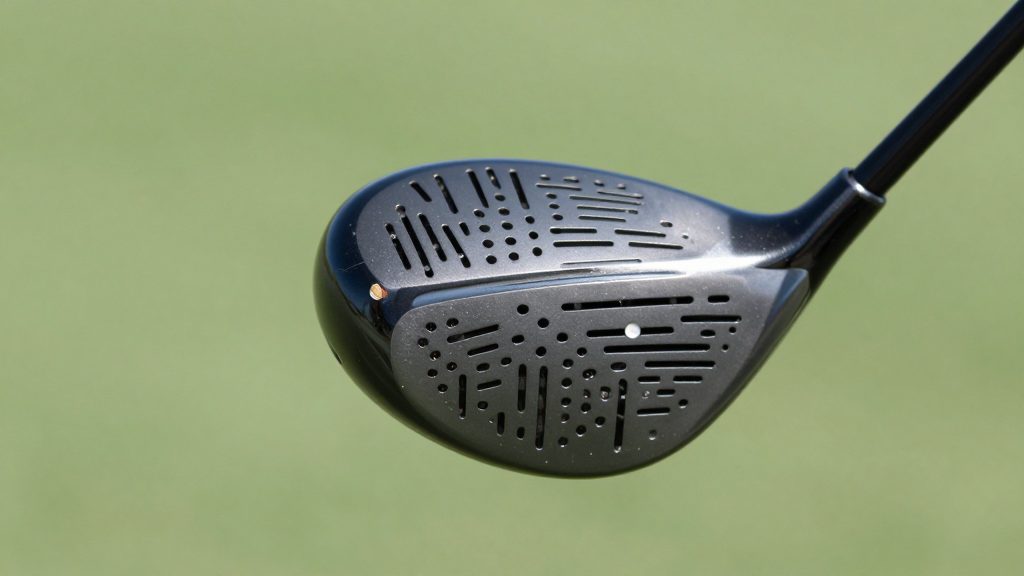
As I stand on the grass at dawn, I feel the heavy weight of the club and realize my old gear can no longer support this custom journey. A golfer stands on the hitting mat, adjusting their grip and taking a few practice swings to feel the weight of a new driver. It is common to wonder at what point the investment in custom equipment becomes necessary for meaningful improvement.

Understanding the timing of these adjustments is crucial for maximizing the value of the gear.
Many players ask about the specific timing for professional help, often wondering When to Get Club Fitting. Generally, if your handicap is stagnating or you find yourself struggling with consistent directional control, it is time to visit a fitter.
As your physical strength or swing mechanics change over time, your equipment must evolve to keep pace.
The decision often rests on the intersection of skill and equipment limitations. If you are playing with off-the-shelf clubs and hitting them well, you might feel no immediate need for change.
However, as your swing speed increases or your technique becomes more refined, the limitations of standard equipment become more apparent.
A comprehensive Club Selection Criteria list should include your current handicap, your typical miss, and your desired distance gaps. Comparing these factors helps determine if your current set is helping or hindering your progress.
If your equipment is working against your natural tendencies, a professional session becomes an essential investment.
A professional Tailored Club Fitting Guide provides a roadmap for maintaining equipment relevance throughout a golfer's life. As players age or undergo changes in physical flexibility, the shafts and clubhead weights may need adjustment to maintain optimal launch conditions.
Keeping the equipment in sync with the body is a lifelong process.
In this sequence, the second step is the most significant.
What are the essential steps for a successful fitting?
In the quiet studio at noon, I grip the cold steel and begin the first step of the custom process. A technician carefully adjusts the loft and lie of an iron, checking the impact marks on the clubface to ensure accuracy. This technical process requires a methodical approach to ensure every single adjustment serves a specific purpose for the player.
Following a structured sequence helps prevent conflicting adjustments during the session.
- Conduct a baseline swing analysis using high-speed cameras and launch monitors to capture current data. 2. Test a wide variety of shaft flexes and weights to find the optimal energy transfer for your tempo. ly. Evaluate different clubhead geometries to balance forgiveness with workability based on your skill level.

After these steps are complete, a final check of the club's balance and swing weight is necessary. This ensures that the club feels natural during the entire swing arc, from the takeaway to the follow-through.
A final check prevents the mistake of choosing a club that looks good on paper but feels awkward in motion.
| Component Type | Primary Focus |
|---|---|
| Forgiveness-Oriented | Maximizing Sweet Spot |
| Player-Specific | Precision and Workability |
I personally found that after selecting a specific shaft weight, the balance of the entire set became much more intuitive.
The effectiveness of these steps depends on the accuracy of the launch monitor data and the skill of the fitter. A limitation of this process is that studio conditions may not perfectly replicate the unpredictable wind and turf conditions found on a real golf course.
Related
FAQ
When should a beginner seek professional help?
What is the main goal of a professional fitting?
Related posts
How to properly care for a two-piece cart bag.
A Guide to Choosing Golf Clubs: 5 Key Factors to Consider.
Here's why you should always check "this part" when buying a

Comments 0