Eco friendly golf course design: How to achieve harmony
"The goal of design is not merely to occupy space, but to create a lasting relationship between the built environment and the world it inhabits."
Eco friendly golf course design requires a deep integration of landscape architecture and resource management to ensure longevity.
This guide explores how sustainable principles can be applied to large-scale outdoor projects, focusing on natural harmony, resource efficiency, and structural resilience.
Key takeaways include the importance of interprofessional collaboration, the value of emotional durability in design, and the necessity of managing natural resources like water and temperature through intelligent planning.
Why is eco friendly golf course design vital for the future?
At dawn, the architect brushes a hand over the blueprint paper, realizing an eco friendly golf course design ensures the land stays healthy for years to come.
The International Union of Architects established a foundation for how built environments should interact with the planet.
A designer stands at the edge of a vast green expanse, mapping out how a single fairway might interact with an existing forest. Planning an eco friendly golf course design involves more than just placing holes; it requires understanding how human intervention affects local ecosystems.
Sustainable design principles provide a framework for this delicate balance.
For instance, when the World Congress of the International Union of Architects (UIA) adopted specific principles in June 1993 at the AIA Expo 93 in Chicago, they established a foundation for how built environments should interact with the planet.
Applying these long-standing standards to a golf course ensures that the landscape remains viable for future generations.
Effective planning must consider the long-term impact of land use on surrounding habitats. By following established sustainable guidelines, developers can minimize the footprint of their projects.
This approach ensures that the beauty of the course does not come at the cost of environmental degradation.
Preserving biodiversity and managing resources efficiently ensures that golf courses remain viable assets for generations to come.
How can we achieve harmony with nature golf?
A landscaper carefully selects native grasses to blanket a rolling hillside, ensuring the ground remains stable and visually consistent. Achieving harmony with nature golf means working with the existing topography rather than fighting against it.

Interprofessional collaboration is essential for such complex projects.
The Interprofessional Council on Environmental Design (ICED), which is a coalition of architectural, landscape architectural, and engineering organisations, developed a vision statement to foster a team approach to sustainable design.
This collaborative mindset is necessary when merging large-scale sports facilities with natural terrain.
By bringing together diverse experts, a design team can better address the complexities of soil, water, and vegetation. This collective intelligence helps in creating a landscape that feels like a natural extension of the earth.
Such a cohesive approach prevents fragmented planning that often leads to environmental conflict.
True harmony is achieved when the course functions as a living ecosystem rather than a manicured monoculture.
What are the best practices for sustainable course planning?
An architect reviews a blueprint, looking for ways to integrate water drainage systems that mimic natural watersheds. Sustainable course planning focuses on the efficient management of resources and the creation of resilient landscapes.
One way to approach this is through the lens of resource longevity. According to Jonathan Chapman of Carnegie Mellon University, emotionally durable design can reduce the consumption and waste of natural resources by increasing the resilience of relationships between consumers and products.

In a golf setting, this means creating environments that users feel a deep connection to, encouraging better stewardship of the grounds.
A successful plan integrates various elements into a single, functioning unit. This includes managing irrigation, soil health, and wildlife corridors simultaneously. When these elements are planned as a single system, the entire course becomes more robust against environmental changes.
- Conduct a thorough site analysis to understand local topography and soil health.
- Design drainage systems that work with existing natural contours.
- Select plant species that thrive in the local climate to minimize intervention.
How do we master natural golf course build techniques?
A construction crew moves earth gently, following the natural contours of a valley to avoid unnecessary excavation. A natural golf course build prioritizes the preservation of existing geological and biological features.
The process often involves these three steps: 1. Assessment of the existing site to identify sensitive ecological zones and natural water paths. 2. Implementation of low-impact construction techniques that minimize soil disturbance and erosion. 3.
Selection of native plant species that require minimal intervention once established.
After these steps, a final check is performed to ensure that the new structures do not disrupt local drainage or wildlife movement. This careful sequence helps maintain the integrity of the site. By mimicking natural processes, the built environment can thrive alongside the local ecology.

In this sequence, the second step is the most intensive.
How can we integrate native landscapes effectively?
A gardener plants a variety of local shrubs along a bunker's edge, creating a seamless transition between the sand and the woods. Integrating native landscapes helps the course blend into its surroundings while providing habitat for local fauna.
This integration serves to stabilize the environment against weather extremes. For example, structured designs can manage temperature and airflow. The Shanghai Natural History Museum in Shanghai, China, incorporates evaporative cooling and maintained temperatures through its design and structure.
While a museum is a different type of structure, the principle of using design to manage environmental conditions is applicable to outdoor landscape microclimates.
Using native plants also reduces the need for chemical fertilizers and heavy irrigation. This creates a self-sustaining ecosystem that requires less human intervention over time. The result is a landscape that looks intentional yet feels entirely organic.
Integrating native landscapes requires a delicate balance between playable fairways and undisturbed natural habitats.
How does water management in golf work?
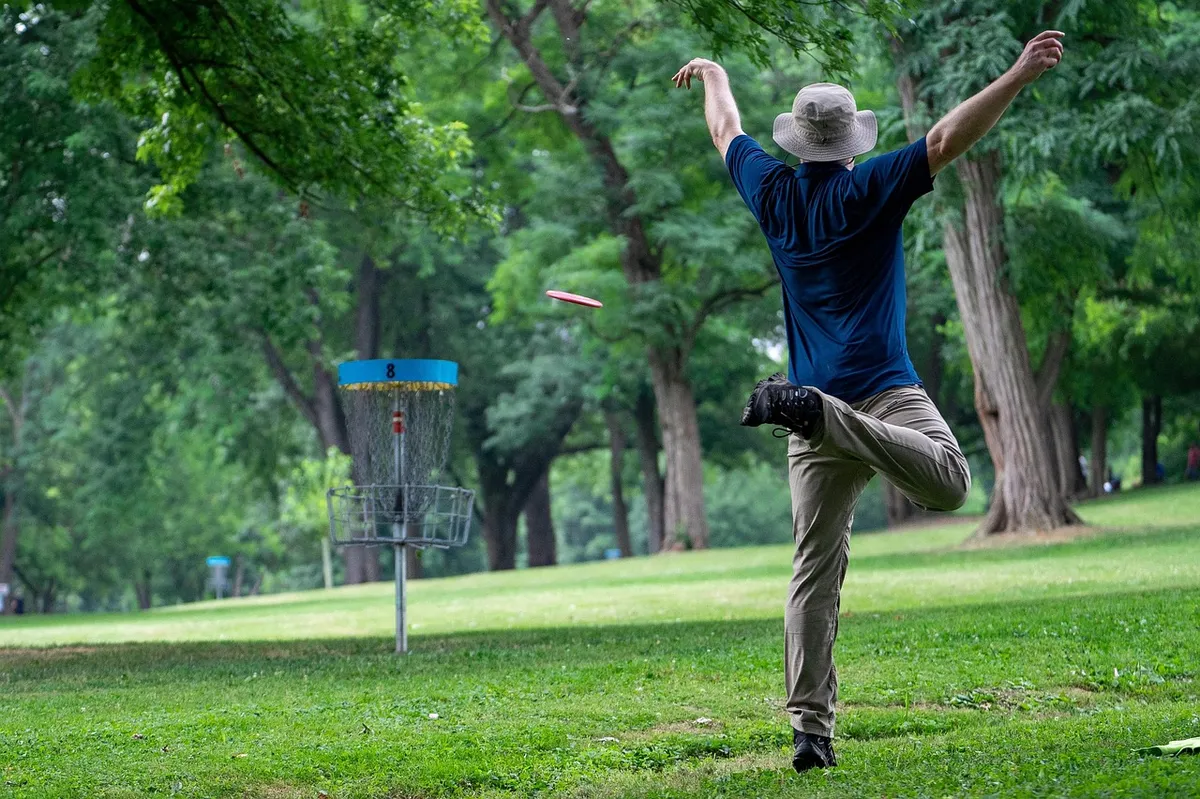
A technician inspects a sophisticated irrigation system designed to catch and reuse rainwater. Water management in golf is one of the most significant challenges in maintaining a large-scale outdoor facility.
A major consideration in many regions is the quality and source of water used for maintenance. It is a fact that among principal concepts is the fact normally in developed countries 100% of water destined for consumption, that is not necessarily for drinking purposes, is of potable water quality.
This highlights the importance of managing water-heavy industries responsibly.
Effective management strategies include: 1. Utilizing rainwater harvesting and greywater recycling systems. 2. Installing precision irrigation technology to prevent overwatering. 3. Creating natural retention ponds to manage runoff and prevent erosion.
I once watched a team implement a drainage system that used natural depressions to manage heavy rainfall, much like a modern professional would plan for a storm. This kind of foresight prevents the waste of precious resources.
When water is managed correctly, the entire landscape remains healthy and vibrant.
Effective water management relies on capturing runoff and utilizing efficient irrigation to maintain turf health while minimizing waste.
Related


Comments 0