Club selection guide: Find your best fit 60
"The right equipment is not just a luxury; it is a tool for precision and consistency on the course."
Selecting the right equipment requires understanding your unique swing mechanics and skill level to ensure consistency. This beginner club selection guide focuses on balancing technological assistance with personal ability to help players maintain better contact.
Key takeaways include prioritizing clubhead stability, understanding the importance of professional instruction, and recognizing how demographic shifts influence equipment availability.
How can a beginner club selection guide help?
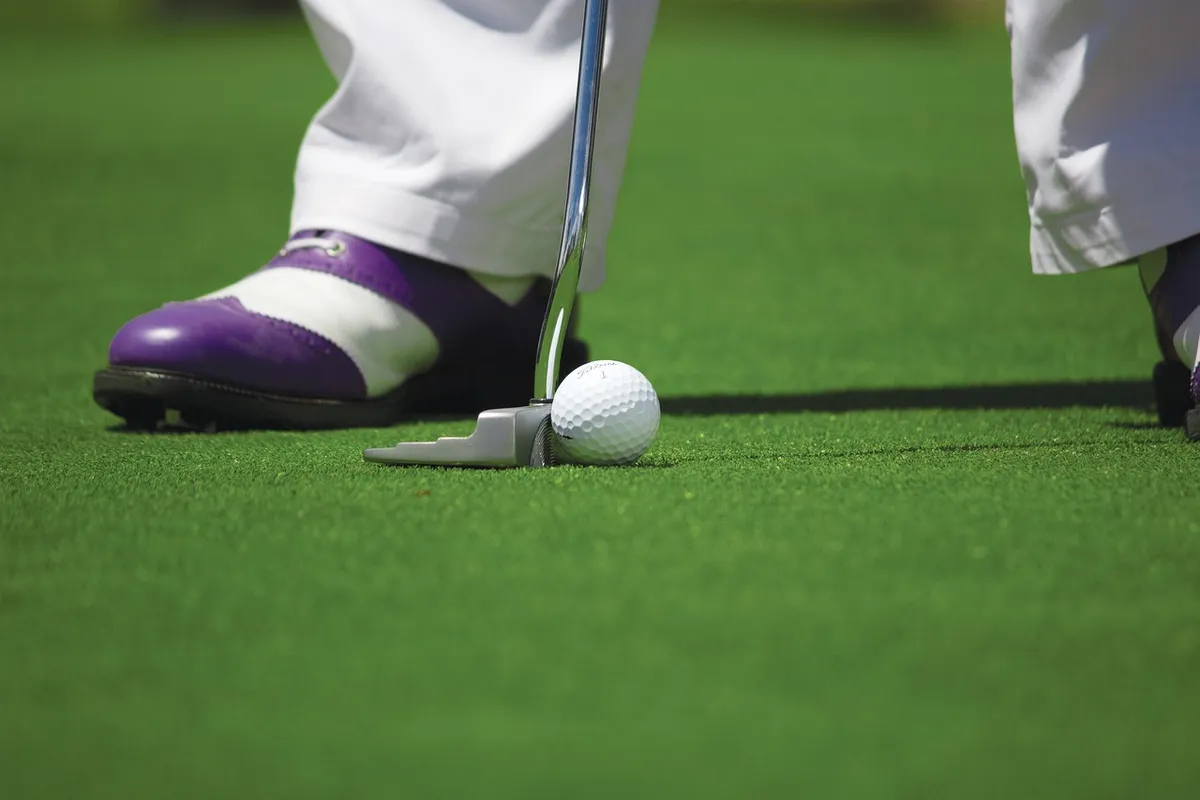
A player stands at the first tee, gripping a shiny new driver and feeling the weight of the club in their hands. Choosing the right equipment is the first step toward building a repeatable swing and avoiding frustration during early rounds.
A beginner club selection guide helps players navigate the overwhelming variety of clubs available in modern retail shops. By focusing on forgiveness and ease of use, players can avoid the pitfalls of professional-grade clubs that require high swing speeds.
Effective equipment choices help bridge the gap between amateur effort and professional results. While professional golfers typically make between 60% and 70% of greens in regulation, beginners need clubs that compensate for inconsistent contact.
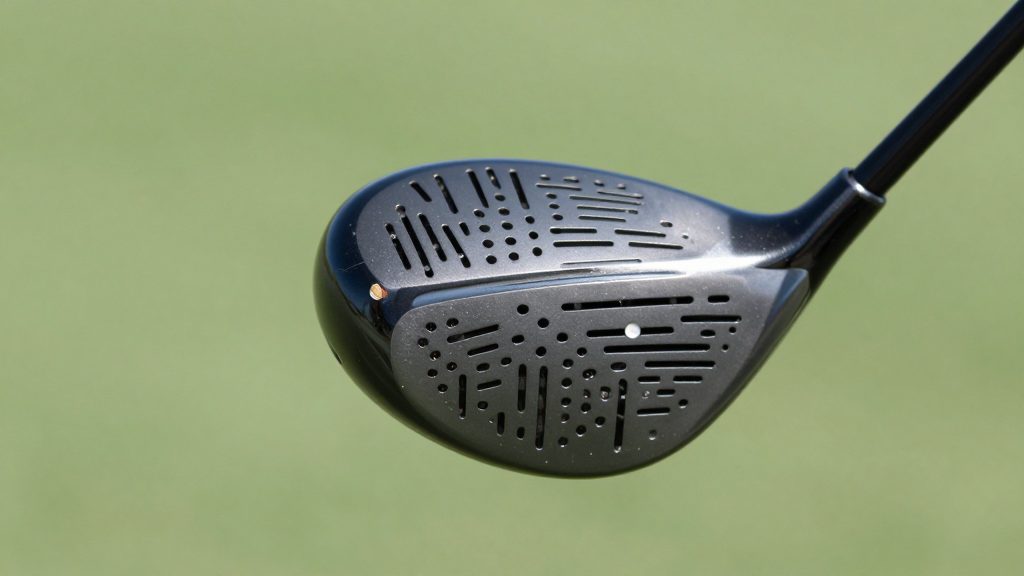
The right club helps maintain momentum throughout a round. Finding your perfect driver involves looking for high MOI (Moment of Inertia) models that prevent twisting on off-center hits.
A guide simplifies the overwhelming array of options into manageable choices.
Why is club fitting for better swing important?
A technician adjusts the loft and lie of an iron, squinting at the angle of the clubface under bright workshop lights. Precision adjustments can mean the difference between a straight shot and a heavy slice.
Club fitting for better swing performance ensures that the physical dimensions of the club match the player's height, arm length, and swing tempo. This process prevents the physical strain that often leads to injury in new players.
Standardized fittings allow for a more predictable ball flight. This consistency is vital when the goal is to replicate successful shots under pressure.
A player might feel a sudden lightness in their grip after a professional fitting. Iron selection for your swing is most effective when the club weight and shaft flex are customized to the individual's natural speed.
Properly fitted clubs ensure that the equipment complements your natural mechanics rather than fighting against them.
How do gender and age affect equipment needs?
A young female golfer adjusts her grip on a lightweight iron, preparing for a practice session at the local club. Equipment design has evolved to meet the specific biomechanical needs of diverse player populations.
The demographic landscape of the sport has shifted significantly over the last decade. In the United States, women made up 25 percent of golfers in 2021, which was up from 19 percent since 2011, and junior female golfers account for 35 percent or 1.1 million golfers.
These statistics highlight the need for specialized equipment designed for different strength levels and swing velocities. Manufacturers now produce a wider range of lighter, more maneuverable clubs to accommodate these growing segments.
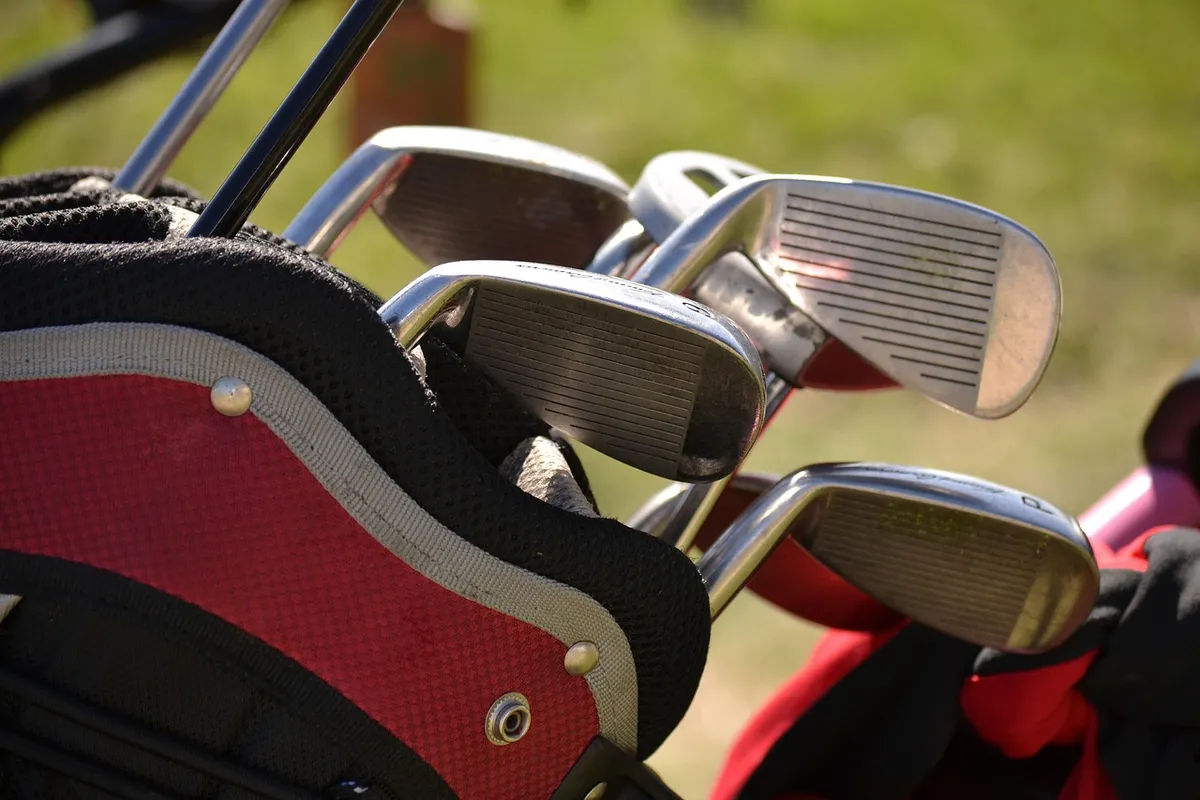
Understanding these trends helps players find gear that feels natural. Wedge and putter matching tips often vary based on the specific swing dynamics found in junior or female players.
Physical attributes like swing speed and strength significantly influence the weight and flex of the clubs required.
Should you seek professional instruction for club advice?
A teacher watches a student take a slow, deliberate practice swing, offering quiet advice on grip pressure. The relationship between instruction and equipment is often inseparable.
According to the Professional Golfers Association, in some countries, golf instruction is best performed by teachers certified by the Professional Golfers Association.
Professional guidance provides a foundation for understanding how gear interacts with body movement. In some countries, golf instruction is best performed by teachers certified by the Professional Golfers Association.
Certified instructors understand the technical nuances of clubhead geometry and shaft technology. They can prevent a beginner from purchasing equipment that is too difficult to control.
A student listens intently to the instructor's feedback regarding clubhead position. Driver iron wedge putter help is most effective when the advice comes from a qualified professional who understands swing mechanics.
Professionals can provide personalized insights that prevent you from making costly mistakes early on.
What are the steps for selecting a starter set?
A shopper walks through a quiet pro shop, comparing the weight of different clubs on a scale. The process of building a bag requires a methodical approach to ensure all distances are covered.
- Identify your primary swing speed to determine the appropriate shaft flex. 2. Test various clubheads to find a shape that offers the most forgiveness on mishits. standing in the middle of the shop, I realized that a club that feels too heavy can ruin a swing quickly. 3. Verify that the grip size is comfortable for your hand size to prevent tension. 4. Perform a final check by hitting a few balls at a practice facility to confirm the feel.
A well-chosen set provides a balanced range of distances. For beginners, a set that prioritizes stability over pure distance is often the most beneficial choice.
- Identify your current swing speed and basic skill level.
- Test various club types to find the most forgiving models.
- Select a cohesive set that offers consistent feel across all clubs.
What are the limitations of equipment-based improvement?
A golfer stares at a ball that has traveled much further than expected, realizing the club did most of the work. While gear is essential, it cannot replace the fundamental mechanics of a good swing.
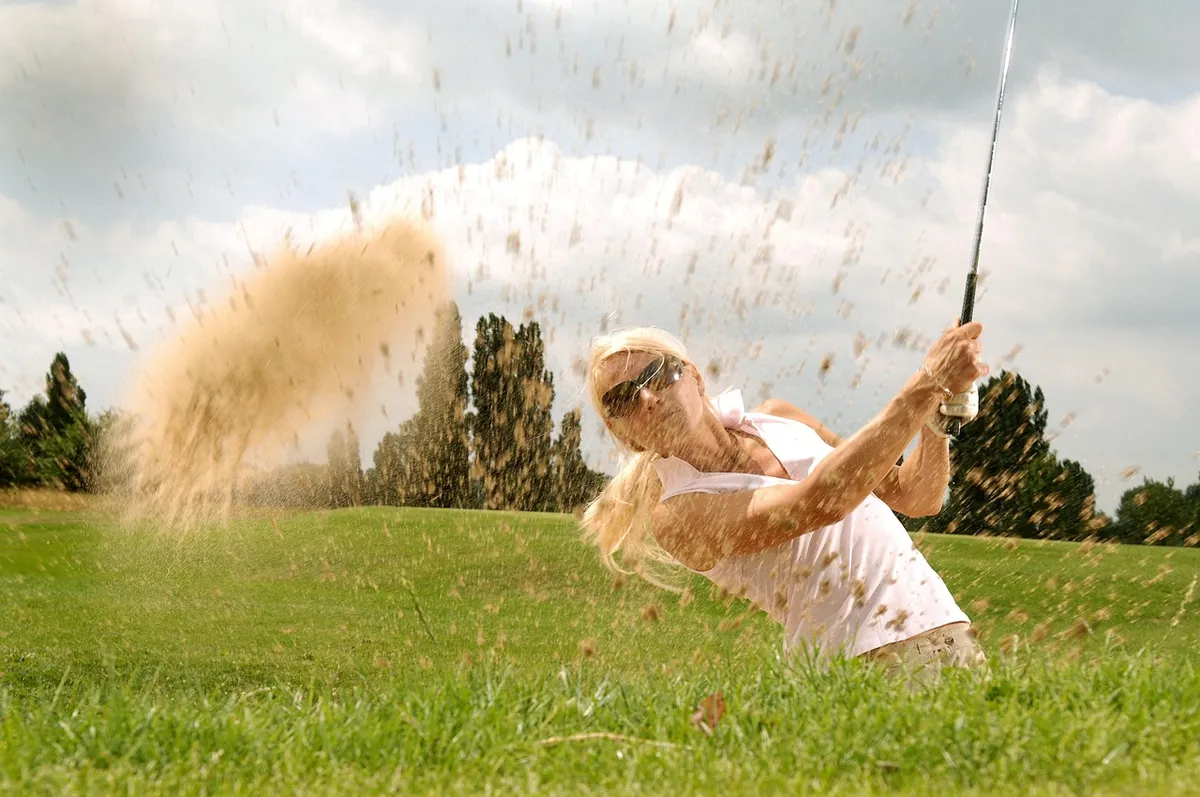
The primary limitation of equipment is that it cannot fix poor fundamental technique. High-tech clubs can mask errors, but they cannot teach the proper body rotation or weight transfer needed for long-term success.
A player may find that a club that worked perfectly in the shop fails on a windy course. Even the best equipment is subject to environmental conditions and the player's physical state.
The effectiveness of a club is limited by the player's ability to execute a consistent swing. No matter how much forgiveness a club offers, it cannot compensate for a complete lack of swing control.
In this sequence, the second step is the most comprehensive.
The same subject is also called Golf club choice for pros.
The same subject is also called Improve score with clubs.
Finding your perfect driver
Related

Comments 0