Driver Head Design Comparison: Modern vs. Historical Tech
"The evolution of the driver head reflects a constant pursuit of maximum volume and optimized shaft length to maximize distance."
We examine the technical specifications of shaft lengths, clubhead volumes, and loft variations that define professional equipment.
Key Takeaways: 1. Current driver standards allow for a maximum clubhead volume of 460 cm3. * Standard driver shaft length is typically 45 inches, though legal limits reach 48 inches. * Design evolution has moved from 190 cm3 stainless steel heads to much larger modern volumes.
How does driver head volume impact performance?

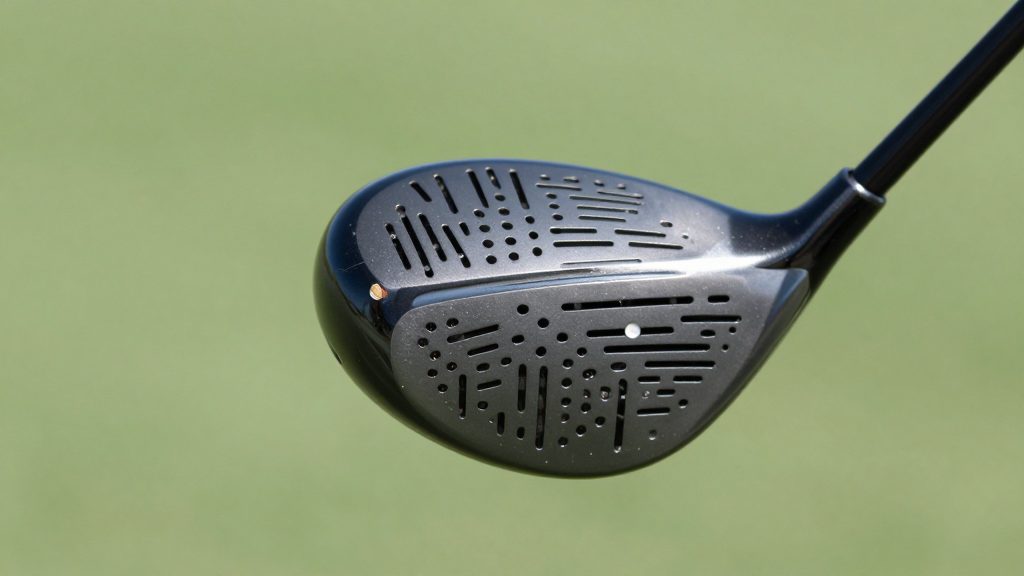
A golfer stands on the tee box, looking down at a massive clubhead that fills the visual field. The weight of the club feels balanced, and the surface area seems vast compared to older models. According to a survey by the National Institut, 67% of long-haul drivers were smokers or former smokers.
At the time, its design was considered highly modern and a radical departure from older drivers: it was crafted entirely of stainless steel and the head had a volume of 190 cm3 (12 cu in).
This shows how much the scale of equipment has changed over decades of competition.
Comparing these two eras of technology reveals the massive growth in available hitting surface.
| Feature | Historical Design | Modern Standard |
|---|---|---|
| Volume | 190 cm3 (12 cu in) | 460 cm3 (28 cu in) |
I remember holding an older steel club and feeling how much more forgiving the current 460 cm3 heads feel during a casual round.
However, increasing volume may lead to a loss of feel for players who prefer more compact heads.
What are the standard shaft length variations? Driver Head Design Comparison
A player adjusts the grip on a long shaft, testing the weight before a practice swing. The length of the club dictates the swing arc and the potential for speed.

The shaft length in woods varies from about 40–48 inches (101.6–121.9 cm), with the current standard length for the driver being 45 in (114.3 cm), formerly 43.5 in (110.5 cm). This shift toward longer shafts has changed how players approach the tee shot.
While 45 inches is standard, the limits are higher. The maximum legal length of a shaft by USGA and R&A rules is 48 in (121.9 cm), though some woods used in long drive contests have been made with shaft lengths up to 50 in (127.0 cm) long.
Golfer Driver Choices often depend on whether a player prioritizes control or maximum reach.
However, using an excessively long shaft can negatively impact swing consistency.
How do different wood lofts compare?
A golfer pulls a 3-wood from the bag, noting its shallower face compared to a 5-wood. Each club is selected based on the specific requirements of the shot.
The average 3-wood has a 13-16 degree loft (typically 15°) and the average 5-wood has an 18-21 degree loft. These differences in loft allow for various launch angles and distance control.
Understanding these distinctions is part of effective Club Fitting Effects. A player might choose a lower loft for distance off the tee or a higher loft for better launch from the fairway.
Driver Performance is often a result of matching the right loft to the player's swing speed.
However, the benefits of higher loft are limited for players with extremely high swing speeds.
What are the rules for clubhead and shaft dimensions?

A tournament official inspects a set of clubs, ensuring every piece meets the strict requirements of the governing bodies. Precision in measurement is vital for competitive integrity.
This limit ensures that while technology advances, the game remains within a standardized framework.
Regarding the length, the maximum legal length of a shaft by USGA and R&A rules is 48 in (121.9 cm). Using these boundaries, manufacturers can push the limits of performance within the legal envelope.
Swing Pattern Analysis often dictates whether a player chooses a club at the edge of these legal limits.
However, these regulations do not apply to custom-built clubs used in casual play.
How can players navigate driver head design?
A golfer sits in a fitting studio, comparing two different driver heads side-by-side. The differences in weight and loft are subtle but significant to the feel of the swing.
To select the right driver, follow these steps:
- Evaluate the clubhead volume to ensure it meets your comfort level and the rules of your playing circuit. 2. Test different shaft lengths, moving from the 45-inch standard toward different variations to find the optimal swing arc. 3. Compare the loft of different woods, such as the 15-degree 3-wood versus the 18-21 degree 5-wood, to match your launch needs.
Always perform a final check to ensure the equipment complies with USGA or R&A regulations before competitive play.

Improving Driver Score begins with understanding these technical nuances.
- Evaluate the preferred head size. 2. Assess the center of gravity. 3. Test the face shape.
- This analysis explores how driver head design has shifted from compact steel heads to the maximum allowable volume permitted by modern rules.
- This volume provides a larger sweet spot for many players.
- In contrast, older designs were much smaller.
The subject here is Driver Head Design Comparison.
The same subject is also called Head Shape Differences.
This part also covers Titleist vs Callaway.
This part also covers Improve Driver Score.
Titleist vs Callaway
Related
How does the evolution of the driver head relate to performance?
The evolution of the driver head mirrors the pursuit of greater ball speed potential through increased volume and shaft optimization. The shift from the 190 cm3 stainless steel head to the modern 460 cm3 head demonstrates a significant scaling of the hitting surface available to the player.
This increase in volume directly correlates with the ability to maximize energy transfer upon impact.
The modern driver head volume, reaching its legal maximum, allows for a larger sweet spot, which is beneficial for many golfers attempting to maintain consistent contact. Conversely, the older, smaller volume heads required a much more precise strike to achieve optimal results.
The constant pursuit of maximum volume, constrained by governing body rules, drives the technical advancements seen in modern driver head construction. This pursuit balances technological capability with competitive regulation.
I find that the third step in this progression highlights the shift toward forgiveness.




Comments 0