Finding the right club setup is the single most effective wa
Finding the right club setup is the single most effective way to shave strokes off your scorecard, whether you’re just picking up a club for the first time or moving into the intermediate ranks.
Building a functional golf bag isn't about buying the most expensive set on the shelf; it’s about matching loft angles, distance gaps, and shaft flex to your specific swing speed and ball flight. A well-structured bag ensures you have the right tool for every yardage, from long drives to delicate putts.
* Strategic Role Division: Your bag must follow a logical progression: Driver (max distance), Woods/Hybrids (long approach), Irons (accuracy), Wedges (short game), and Putter (finishing). * The Engine Matters: The shaft is just as critical as the head; you must select the correct flex—ranging from Ladies (L) to Stiff (S)—to prevent hooks or slices. * Smart Entry Strategy: Instead of dumping money into a massive, low-quality starter set, focus on a solid driver, an iron set, and a putter first, then expand your bag as your game evolves. * Prioritize Forgiveness: Modern club design focuses heavily on "forgiveness," using high-MOI (Moment of Inertia) heads to help stabilize shots even when you miss the sweet spot.
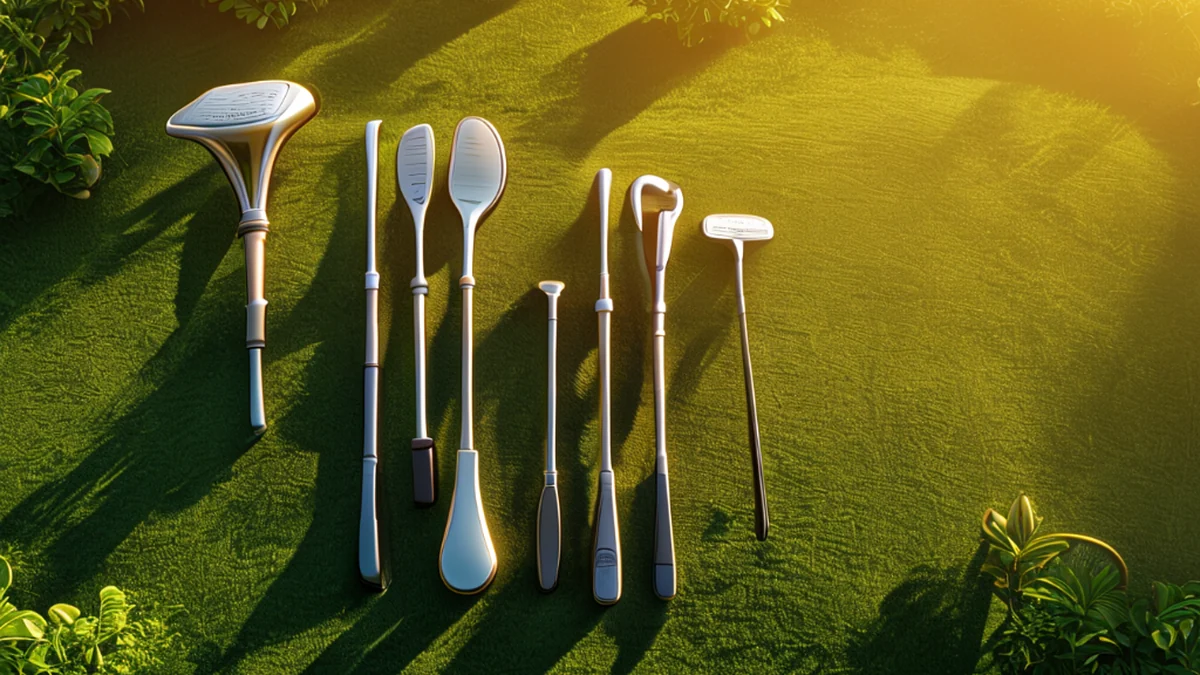
Why are golf clubs categorized by distance?
Golf is essentially a game of efficiency—moving a ball from point A to point B using specific physics. The key variable here is "loft," which is the angle of the clubface relative to the ground. A lower loft sends the ball on a piercing, long trajectory, while a higher loft helps the ball climb into the air and stop quickly on the green.
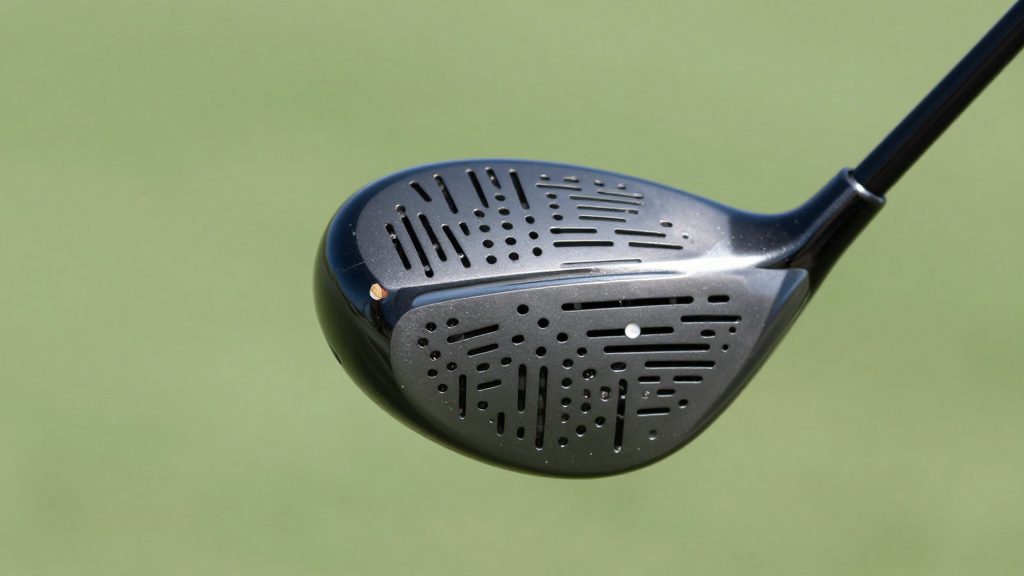
Your journey down the fairway usually starts with the Driver. With lofts typically ranging between 8 and 12 degrees, it’s designed to maximize forward energy and total yardage on tee shots. Once you're on the fairway, you'll reach for Fairway Woods or Hybrids (Utilities). Hybrids have become a staple for amateur golfers because they combine the distance of a wood with the easier-to-hit characteristics of an iron.
I remember my very first time out on a real course; I was struggling immensely trying to launch a 4-iron. Every time I swung, the ball would stay low and die halfway down the fairway. Once I swapped that 4-iron for a 4-hybrid, the difference was night and day—the ball actually got airborne, and even my "bad" shots stayed in play. Understanding these distinctions is the foundation of smart course management.
How should you choose between irons and wedges?
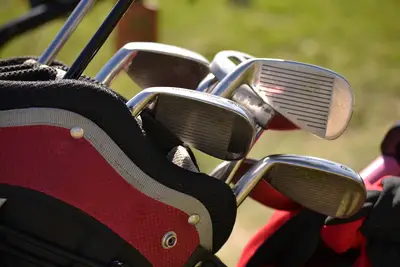
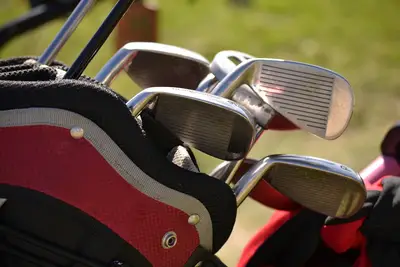
Irons are your precision tools for hitting the green or finding a specific spot on the fairway. They generally run from 5-iron through 9-iron; the lower the number, the lower the loft and the further the distance.
However, most iron sets leave a "gap" in your distances once you get close to the green. This is where Wedges become essential for short-game control and escaping bunkers. They are typically categorized as: 1. Pitching Wedge (PW): Usually the highest lofted club in your iron set, used for approach shots. 2. Gap/Approach Wedge (GW/AW): Fills the distance void between your PW and Sand Wedge. 3. Sand Wedge (SW): High loft designed to pop the ball up out of sand traps or thick rough. 4. Lob Wedge (LW): Extremely high loft for short, high-trajectory shots that need to stop instantly.
According to amateur equipment trend data analyzed by the Korea Golf Association (KGA), there is a massive shift toward "cavity back" iron designs among recreational players. By hollowing out the back of the clubhead, manufacturers lower the center of gravity, making it much easier to launch the ball and reducing side-spin on mishits. While pros might stick to "muscle back" blades for ultimate control, the cavity back is your best friend for consistency.
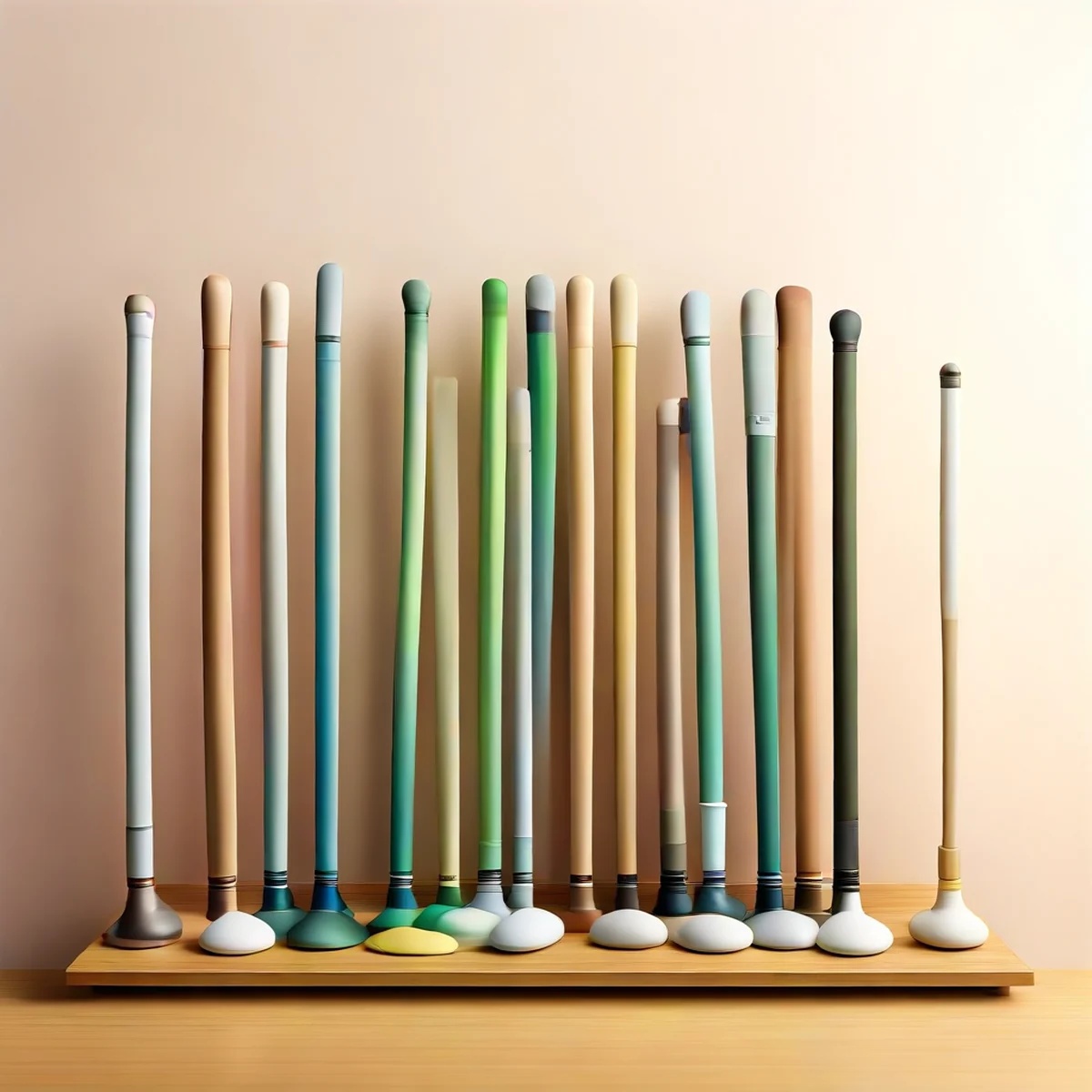
Is shaft flex the secret to distance and direction?
Many beginners treat the shaft as an afterthought, but in reality, it functions as the engine of the club. The weight, flex (stiffness), and torque of the shaft dictate how much energy is transferred to the ball. If your shaft is too weak for your swing speed, you'll likely struggle with a hook; if it's too stiff, you might see a persistent slice.
Standard flex ratings generally follow this hierarchy: * L (Ladies): Lightweight and flexible, designed for slower swing speeds. * A/M (Senior/Lite): For senior players or those with smoother, slower tempos. * R (Regular): The standard for most male amateur golfers. * SR (Stiff Regular): A middle ground for those transitioning toward more speed. * S (Stiff): For golfers with aggressive, fast swing speeds. * X (Extra Stiff): Reserved for elite players or those with exceptionally high clubhead speeds.
The impact of getting this right is measurable. According to a Titleist 2023 fitting data report, golfers who utilized properly fitted shafts saw an average increase in driver distance of approximately 10 to 15 yards compared to those using incorrect specs, alongside significantly tighter dispersion patterns. Don't guess—get your clubhead speed measured at a local shop before committing to a high-end set.
What is the most efficient way to build a beginner bag?
Buying everything at once can be a massive financial drain and often leads to owning clubs you don't actually know how to use. I recommend a phased approach to building your kit.
| Phase | Recommended Setup | Why This Works |
|---|---|---|
| Level 1 (Essentials) | Driver, 7-iron, Putter | Focuses on mastering the fundamental swing and impact feel. |
| Level 2 (Expansion) | Iron Set (5-PW), 4-Hybrid | Broadens your range of attack and helps you adapt to different course layouts. |
| Level 3 (Completion) | Wedge Set (52°, 56°), Fairway Woods | Provides the precision needed for short-game mastery and long-range strategy. |
A word of caution on "Complete Sets": While all-in-one starter sets from big-box retailers are convenient, they often use lower-quality shafts that won't grow with you. If your budget allows, it is often more economical in the long run to buy a reputable driver and an iron set separately, then add specialized clubs as your skill level rises.
Keep in mind: equipment complements skill; it doesn't replace it. A $600 driver won't magically turn a 100-mph swing into a 250-yard bomb. Treat your clubs as precision tools to support your development, not magic wands.

Comments 0