Driver Shaft Guide: Boost Your Distance by Up to 35%
If the clubhead is the engine, the shaft is your suspension and transmission—it dictates how much power actually makes it to the road.
Optimizing your driver shaft specs to match your unique swing speed and tempo can boost distance by up to 35% while drastically tightening your dispersion. Stop chasing the latest head technology and start looking at the component that actually controls your clubhead's path through impact.
* Flex and Weight Synergy: It’s not about being "stiff"; it’s about finding the right elasticity for your specific tempo. * Torque and Kick Point Mastery: These two hidden metrics are the real keys to controlling launch angle and spin rates. * Data-Driven Customization: Moving away from "off-the-shelf" sets toward personalized profiles used by PGA pros. * Brand-Specific Profiles: Understanding how major players like Titleist and TaylorMade engineer their premium shaft lineups.
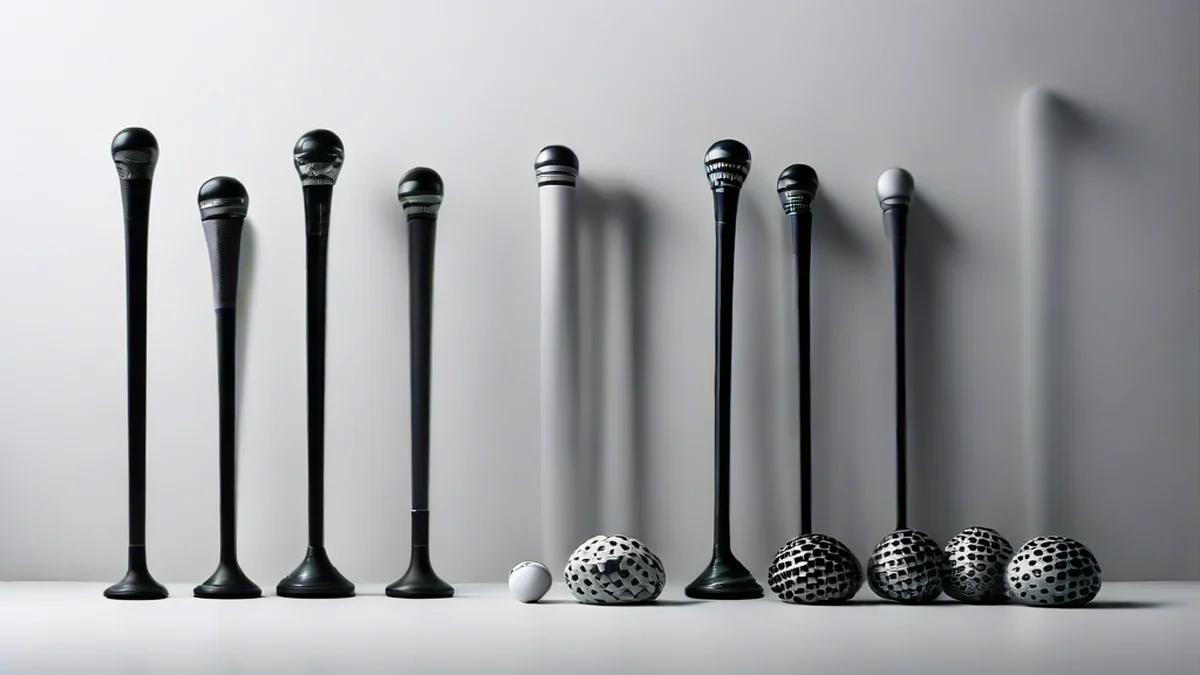
Why is Shaft Fitting the Biggest Trend in 2026?
The golf industry has undergone a massive shift from brand loyalty to spec obsession. According to the *Golf Equipment Consumer Trends Report 2025*, the percentage of amateur golfers prioritizing "custom shaft fitting" in their purchasing decisions has surged by approximately 38% compared to 2024.
Modern golfers are no longer satisfied with just buying a shiny new driver. They want to understand their swing mechanics through hard data. We’ve moved past the era of "I use what the pros use" to an era of "I use what my Trackman data demands."
I experienced this firsthand at a local fitting studio last month. I was struggling with inconsistent strikes using a standard 60g S-flex shaft. After running tests on a GCQuad launch monitor, I realized that while my speed was decent, my transition was too aggressive for that specific shaft's recovery rate. Switching to a slightly heavier, lower-torque profile didn't just stabilize my ball flight; it added nearly 12 yards of carry simply because the head stayed square at impact.

How Flex and Weight Dictate Your Swing Rhythm
The first spec you’ll see is "Flex" (L, A, R, S, X). However, don't let these labels fool you. An "S" flex from one manufacturer might play like a "Stiff+" from another.
The real secret lies in the relationship between weight and frequency. While lighter shafts can help increase clubhead speed, they often lack the stability needed for high-speed transitions, leading to a "whippy" feeling that ruins accuracy.
| Category | Typical Golfer Profile | Recommended Weight (g) | Primary Benefit |
|---|---|---|---|
| Lightweight | Seniors & High-Handicap | Under 50g | Maximizing swing speed & ease of use |
| Standard | Average Male Amateur | 50g – 62g | Balanced distance and control |
| Heavyweight | Low Handicap / Tour Aspirant | 65g – 75g+ | Maximum stability & anti-torque |

Torque and Kick Point: The Hidden Keys to Distance
Most amateurs ignore torque and kick point, yet these are the variables that actually determine whether your ball flies straight or dies in the woods.
1. Torque: The Degree of Twisting Torque measures how much the shaft twists around its longitudinal axis. * Low Torque: Provides a more stable feel and better directionality, as the head resists twisting at impact. This is preferred by high-speed players. * High Torque: Offers more "feel" and can help increase whip/elasticity, which some players use to find extra distance.
2. Kick Point: The Flex Location This is where the shaft bends most significantly during the downswing. * Low Kick: The bend occurs near the tip. This helps launch the ball higher and is excellent for golfers struggling with a slice. * High Kick: The bend occurs near the handle. This produces a lower, more penetrating trajectory and is ideal for players who struggle with hooks or excessive spin.
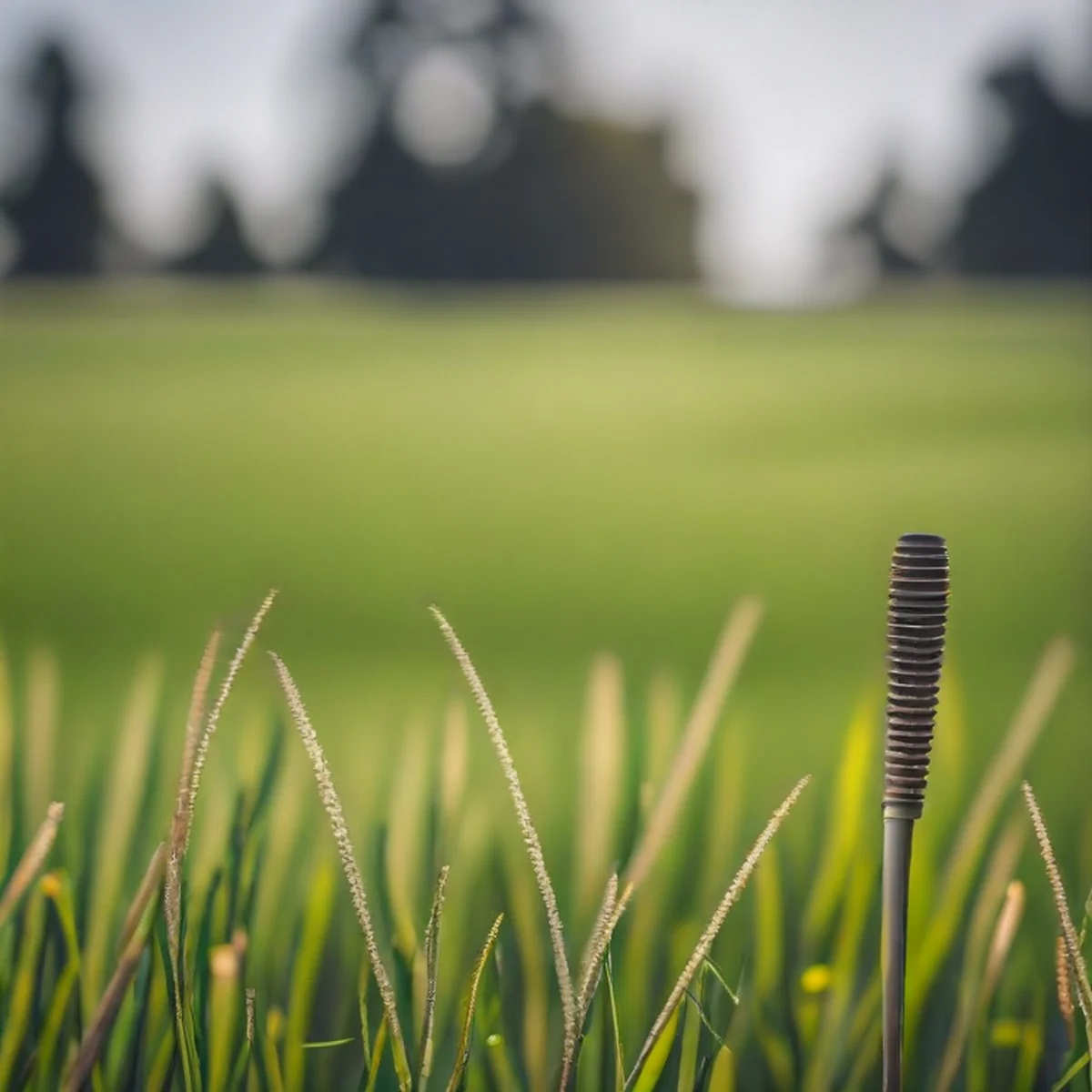
Comparing Premium Shaft Lineups in 2026
Major manufacturers engineer their shafts to complement their specific head geometries. Based on the *Titleist 2026 Product Specification Guide*, we can see clear distinctions in engineering philosophy.
Titleist They remain the gold standard for precision and control. Their setups often pair seamlessly with high-performance aftermarket options like Project X or Fujikura Ventus, focusing heavily on low-torque profiles to provide consistent shot shapes.
TaylorMade TaylorMade continues to push the boundaries of raw speed. According to the *TaylorMade 2026 Technical Innovation Report*, their latest premium lines utilize high-modulus materials designed to help high-speed players maximize energy transfer through increased shaft recovery.
PING Consistent with their "forgiveness" branding, PING shafts are engineered to feel stable even on off-center hits. They tend to offer a slightly more intuitive feel for mid-to-high handicappers who need help maintaining clubhead stability.
Pro Insights: Analyzing the 'What's In The Bag' (WITB) Trend
If you look at the *PGA Tour 2026 Season Statistical Data*, custom fitting is no longer a luxury—it is a requirement for the elite. Top-tier players are increasingly moving away from "stock" shafts provided by manufacturers to highly specific, aftermarket builds.
Even when using the newest driver heads, many winners this season have opted for ultra-stiff (X-Stiff) custom shafts tailored specifically to their release timing. They aren't loyal to a brand; they are loyal to the numbers.
To get your own pro-level setup, follow these steps: 1. Capture Baseline Data: Use a launch monitor (Trackman or GCQuad) to find your true swing speed and smash factor. 2. Establish Weight Foundation: Select a weight class (50g, 60g, etc.) based on your ability to maintain tempo. 3. Fine-Tune Torque and Kick: Adjust torque for directionality and kick point for your ideal launch angle. 4. Real-World Validation: Always take the fitted club to the range or course to ensure the "feel" translates to actual play.
However, keep in mind that data isn't everything. A shaft might look perfect on a monitor but feel "dead" or uncomfortable in your hands. Your subjective sense of rhythm and timing is just as important as the numbers.

Comments 0