PING Driver Latest Tech Analysis: Guide to Maximize Distance
"The pursuit of maximum distance often hinges on the delicate balance between head stability and energy transfer at the moment of impact."
A PING Driver Review requires understanding how specific head technologies manipulate center of gravity and spin rates to suit different swing archetypes.
This analysis explores the engineering behind the latest models to help golfers select the optimal specifications for their unique ball flight requirements.
Key takeaways: 1. Understanding the role of weight distribution in head stability. * Identifying how different models cater to specific swing speeds. * Evaluating adjustable weight systems for customized launch conditions.
How does the PING Driver Latest Tech Analysis reveal distance secrets?

As the sun sets over the lush fairway, I grip the club tightly and watch the light ping off the polished head to reveal its hidden shape.
Walking onto a professional fitting turf, the weight of a driver in hand feels like the starting point of a much larger engineering puzzle. I gripped a heavy-headed model and felt how the center of gravity shifts during a slow practice swing.
The core of modern driver design focuses on maximizing the effective hitting area while maintaining a stable launch. Engineers utilize high-density tungsten or movable weight systems to reposition the center of gravity.
This allows for higher launch angles without the penalty of excessive spin, which is the primary enemy of total yardage for many players. The repositioning of the center of gravity must be carefully managed to ensure the stability does not compromise the club's overall balance.
Advanced head geometry often incorporates a multi-material construction. By using lightweight composites in the crown, engineers can move mass to the sole of the club. This stability ensures that even off-center hits retain much of their kinetic energy, turning mishits into playable shots.
The condition for this mass movement is the structural integrity of the composite material itself.
What's inside the PING driver model?
Standing at the tee box at dawn, I tap the metal face to hear the sharp ping that echoes through the quiet morning air. A golfer stands over the ball, eyeing the alignment marks on a sleek, matte-finished head. The subtle difference between a draw-biased and a neutral model becomes apparent through the placement of the rear weight.
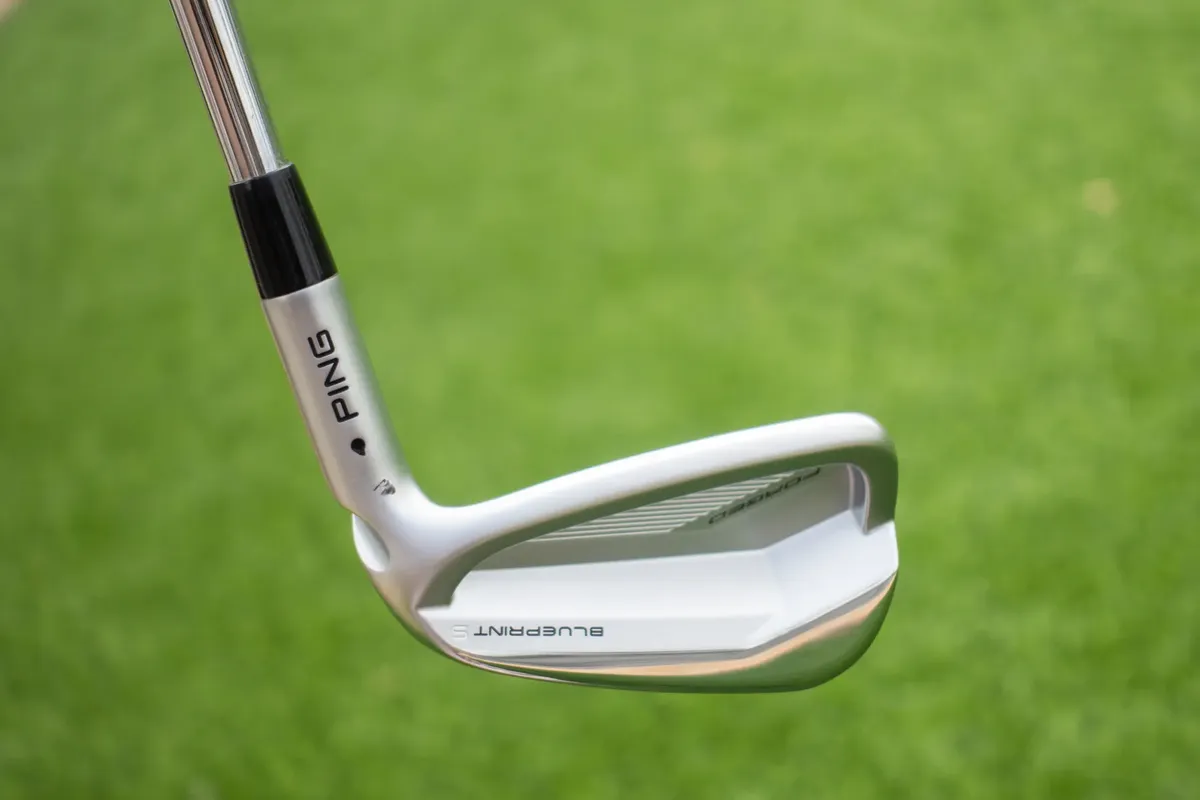
Different models within a lineup are designed to solve specific flight issues. Some heads feature a larger footprint to provide visual confidence at address, while others are streamlined for higher swing speeds. The goal is to match the club's natural tendency with the player's natural swing path. 2. Draw-biased models feature weight closer to the heel to combat a slice. 3. Low-spin models utilize a more compact head shape to reduce aerodynamic drag. * Max-forgiveness models prioritize a high moment of inertia (MOI).
Choosing the right model involves assessing your current dispersion patterns. If your misses are consistently to one side, a specific weight configuration can help square the face more easily.
The comparison between a draw-biased and a neutral model allows a player to determine which weight placement best addresses their specific swing flaw.
What are the best PING driver specs? I watched a fitter adjust a small, heavy weight in the back of a clubhead to see how it changed the launch angle. It was a precise movement that fundamentally altered the club's personality.
Selecting the right specifications is a collaborative process between the golfer and the club's design. The relationship between shaft flex, weight, and head stability determines the final performance.
The head stability must be considered in conjunction with the shaft flex to achieve the desired outcome.
- Match the shaft weight to your swing tempo to ensure consistent timing. 2. Select a loft that optimizes your specific launch angle based on your ball speed. 3. Adjust the swing weight to feel the head position throughout the arc.

A final check involves hitting a bucket of balls to verify that the chosen specs produce a repeatable flight. The combination of a stable head and a compatible shaft is what turns potential into actual distance.
The stability of the head provides the foundation upon which the shaft's performance is built.
PING Driver Head Tech Review
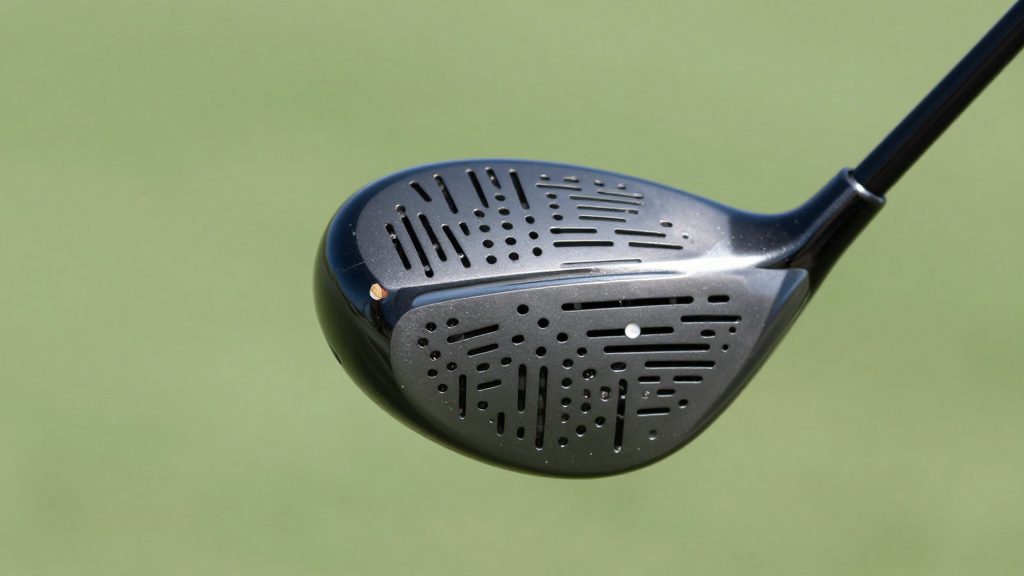
The sun glints off the polished surface of a driver head as it sits on a minimalist display stand. The intricate textures on the sole suggest a highly engineered tool designed for precision.
The technological focus in recent years has shifted toward fine-tuning the interaction between the face and the ball. Engineers use variable face thickness to create a "trampoline effect" across a wider area of the clubhead.
This ensures that even when you do not hit the dead center, the ball still achieves significant velocity. The condition for the trampoline effect to be maximized is the consistent application of force across the variable thickness zones.
The use of specialized materials like titanium alloys allows for thinner, faster faces that remain durable. This strength is critical for maintaining the integrity of the club during high-velocity impacts.
By optimizing the thickness, the head can be made more aerodynamic, reducing drag during the downswing. The comparison between the durability of titanium alloys and the reduction in drag shows a trade-off in material science.
Maximize Distance PING Driver
A golfer swings through the hitting zone, the sound of the impact echoing across the quiet fairway. The ball soars, demonstrating the result of a perfectly optimized energy transfer.
To maximize distance, one must look at the synergy between launch angle and spin rate. A low-spin, high-launch combination is often the "sweet spot" for achieving maximum carry and roll.

Modern head technology allows players to manipulate these two variables through adjustable weight tracks or hosel settings.
The weight distribution in the head plays a massive role in how much energy is returned to the ball. Heavier weights placed low and deep increase stability, while lighter, more forward weights can increase speed for high-swing-speed players.
Understanding these trade-offs is essential for any serious golfer looking to improve their game. The condition for these trade-offs to be effective is the player's ability to consistently strike the ball near the intended impact zone.
The subject here is PING Driver Latest Tech Analysis.
The same subject is also called PING Driver Model Deep Dive.
This part also covers PING Driver Performance Guide.
This part also covers PING Driver Technology Breakdown.
Related




Comments 0