Iron Set Selection Guide: How Mass Affect Iron Selection
"Choosing the right iron set is about balancing the physics of loft, mass, and swing speed to match your unique ability to strike the ball consistently."
Selecting an iron set requires understanding how clubhead mass and loft work together to control distance and trajectory. This guide helps players navigate the complexities of clubhead weight, lofted angles, and specific club roles to find the ideal match for their current skill level.
You will learn how to manage mass transitions, understand the role of low-lofted irons, and identify the right equipment for your handicap.
How does clubhead mass affect iron selection?
At the driving range, the golfer grips the heavy iron and feels the weight pull at his wrists during a slow swing.
A golfer stands on the driving range, gripping a heavy iron and feeling the weight shift during a slow swing. Understanding the relationship between clubhead weight and the number on the iron is vital for consistent ball striking.
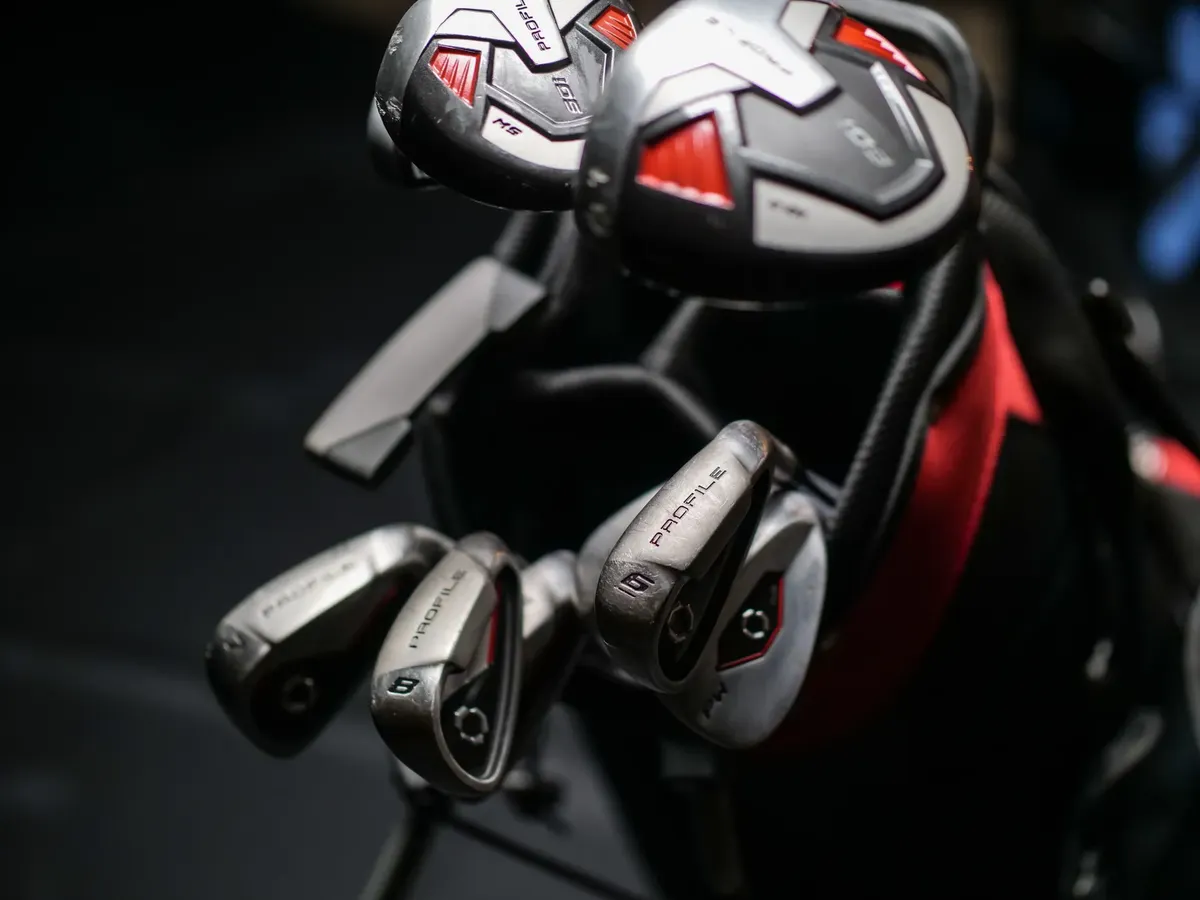
To combat the loss of distance as loft increases, manufacturers design sets with varying weights. Higher-numbered iron clubheads are heavier than lower-numbered iron heads; there is generally a 1⁄4-ounce (7 g) increase in mass between one clubhead and the next higher number.
This weight progression helps maintain a consistent swing feel and compensates for the shorter shaft lengths found in higher-lofted clubs.
The iron set mass progression dictates the feel of the club as the golfer moves from long to short irons. The consistent weight increase ensures that the swing timing remains predictable throughout the set.
- Evaluate your current swing speed to determine how much mass you can control. 2. Test heavier heads for stability and lighter heads for speed. 3. Select the weight that provides the most consistent strike.
What role do low-lofted irons play in a set? Iron Set Selection Guide
A player looks at a single, sleek iron sitting on the grass, its face angled sharply toward the ground. These specialized clubs are designed for specific long-distance shots that require high swing speeds.
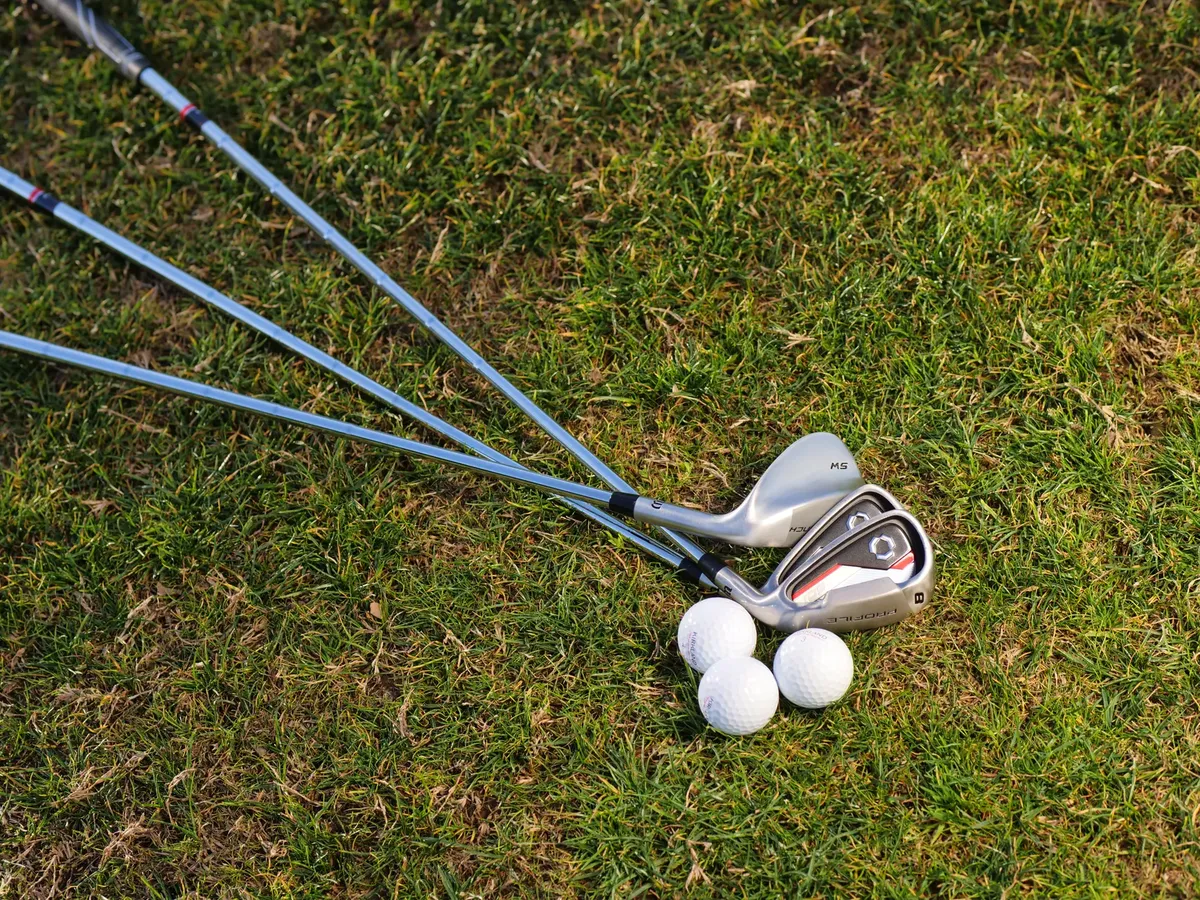
The 1 iron, or driving iron, is the lowest lofted and longest iron (14 or 16 degrees of loft), although Wilson did make a 0 iron for John Daly. These clubs are often difficult for high-handicap players to hit because they require significant speed to launch the ball effectively.
For many, these represent the most challenging part of a standard iron set.
The low-lofted irons provide the necessary trajectory for maximizing distance on approach shots. The sharp angle of the clubface, typical of these specialized clubs, dictates the flight path of the ball.
In this sequence, the first step is the most critical.
How should I build a set based on my handicap?
A golfer walks through a pro shop, comparing the thick heads of cavity-back irons against the slim profiles of muscle-back clubs. Building a set involves matching the club's forgiveness and loft to your typical ball flight.
The iron set composition must align with the golfer's skill level and desired precision. The selection process involves balancing the club's forgiveness against the required loft for optimal distance.
- Identify your primary needs: Beginners often benefit from higher-lofted, heavier-headed irons that offer more forgiveness, while advanced players might prefer lower-lofted clubs for precision. 2. Manage the mass transition: Ensure your set follows a logical weight progression, such as the standard 1⁄4-ounce (7 g) increase between numbers, to keep your swing timing consistent. 3. Evaluate loft requirements: Decide if you need specialized low-lofted irons like a 1 iron for long approach shots or if standard iron sets provide enough distance.
I once spent an entire afternoon testing various iron sets to see how the weight changes felt during my transition from long to short irons.
A limitation of this guide is that it focuses on the physical characteristics of the clubs rather than the specific swing mechanics of an individual golfer.
Iron Set Composition Comparison
| Feature | Low-Numbered Irons (e.g., 1-3 Iron) | High-Numbered Irons (e.g., 8-9 Iron) |
|---|---|---|
| Typical Loft | 14 to 16 degrees | Higher lofted |
| Relative Mass | Lighter clubheads | Heavier clubheads |
- How does clubhead mass affect iron selection?
- What role do low-lofted irons play in a set?
- How should I build a set based on my handicap?
The subject here is Iron Set Selection Guide.
The same subject is also called Beginner Iron Set Guide.
The same subject is also called Advanced Iron Set Tips.
The same subject is also called Handicap Iron Club Guide.
The same subject is also called Custom Iron Set Advice.
This part also covers Best irons for low handicap.
This part also covers Choosing irons for beginners.
This part also covers Iron set setup by skill level.
Best irons for low handicap
Related




Comments 0