Fitting guide: 4 tips to avoid club fitting loss
"A golfer's swing is a moving target, and a single measurement error can turn a precision tool into a source of constant frustration on the course."
Poorly executed club fitting mistakes score loss by introducing inconsistencies that disrupt a player's natural rhythm and accuracy.
This guide explores how measurement discrepancies and equipment mismatches lead to these issues, offering insights into preventing such errors through careful verification.
Key takeaways include recognizing the impact of subtle length and angle changes, understanding how shaft feel affects performance, and the importance of professional consistency.
How do measurement discrepancies cause a club fitting mistakes score loss?

In the dim light of the studio, I grip the iron and feel a sudden jolt of frustration when the uneven length makes the fitting feel completely wrong.
A technician adjusts a single club in the dim light of a studio, only to find the results differ wildly during a round. Inconsistent measurements can lead to significant performance drops when the equipment does not match the player's expected feel.
One golfer experienced two separate fittings from the same company that resulted in a 1/4 inch difference in 7 iron length and a 2-degree change in lie angle. This inconsistency caused significant confusion, highlighting how bad club fitting results can arise from lack of standardization.
Such small deviations might seem negligible in a simulator but can disrupt a player's alignment and strike consistency on a real course.
Inaccurate measurements of swing speed, launch angle, or clubhead path result in equipment that does not match the golfer's actual mechanics. These deviations lead to inconsistent ball flight, making it difficult to control distance and direction during a round.
Can a specific shaft lead to fitting errors score drop?
A golfer swings a new driver, feeling an unexpected stiffness that makes the ball flight feel lifeless. When the component characteristics do not match the head or the swing speed, the result is often a loss of control.
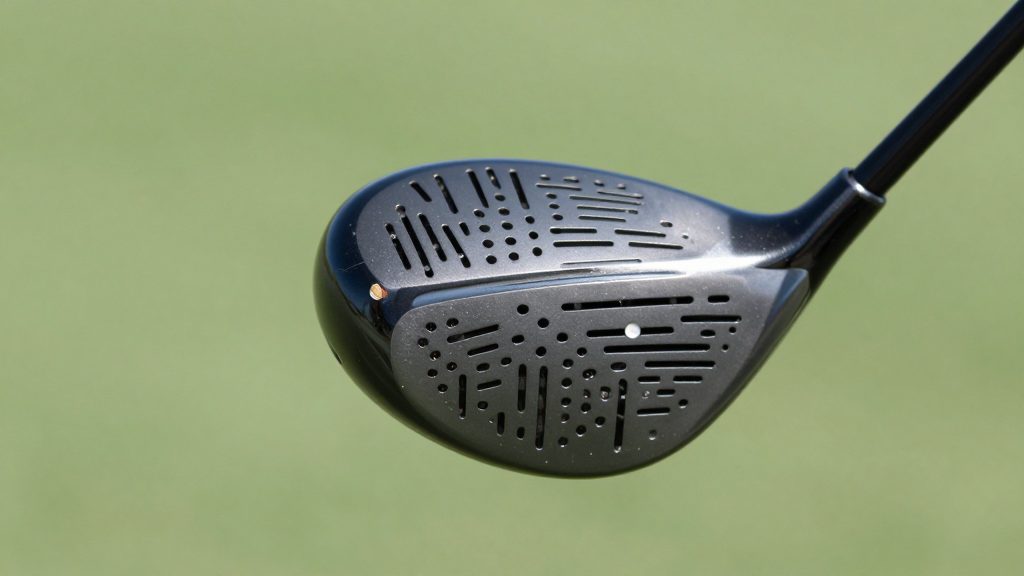
One user found that while a specific shaft, such as the Diamana TB 60R, performed well in their Stealth 2+ 18 degree head, it also produced a "boardy feeling" at impact.

This type of wrong club selection impact can make the club feel too stiff or unresponsive, leading to a loss of distance or direction. Avoiding such issues requires a deep understanding of how shaft profiles interact with specific club heads.
A shaft that is too stiff or too flexible will cause improper loading and unloading during the swing. This mismatch affects timing and strike quality, leading to unpredictable dispersion and lost yardage.
How to avoid fitting errors?
A player stands over the ball, second-guessing the club in their hands because the setup feels slightly off. Preventing these issues requires a systematic approach to ensure every piece of equipment is verified against the player's unique mechanics.
To ensure success, follow these steps:
- Verify all measurements against a consistent baseline to avoid length or angle discrepancies. 2. Test the "feel" of the shaft during various swing speeds to prevent a boardy sensation at impact. 3. Cross-reference head specifications with shaft weights to maintain a balanced swing.
I found that checking the lie angle after every adjustment was essential to avoid the confusion seen in inconsistent fitting sessions.
- Use high-quality launch monitor data to capture precise swing metrics.
- Test multiple clubhead and shaft combinations to find the optimal synergy.
- Verify the equipment under various swing speeds to ensure consistency.
What is the impact of wrong club selection impact on scoring?
A golfer pulls a club from the bag, only to realize the loft or length does not suit the current lie of the ball. Small errors in the fitting process can accumulate into significant yardage gaps throughout a round.
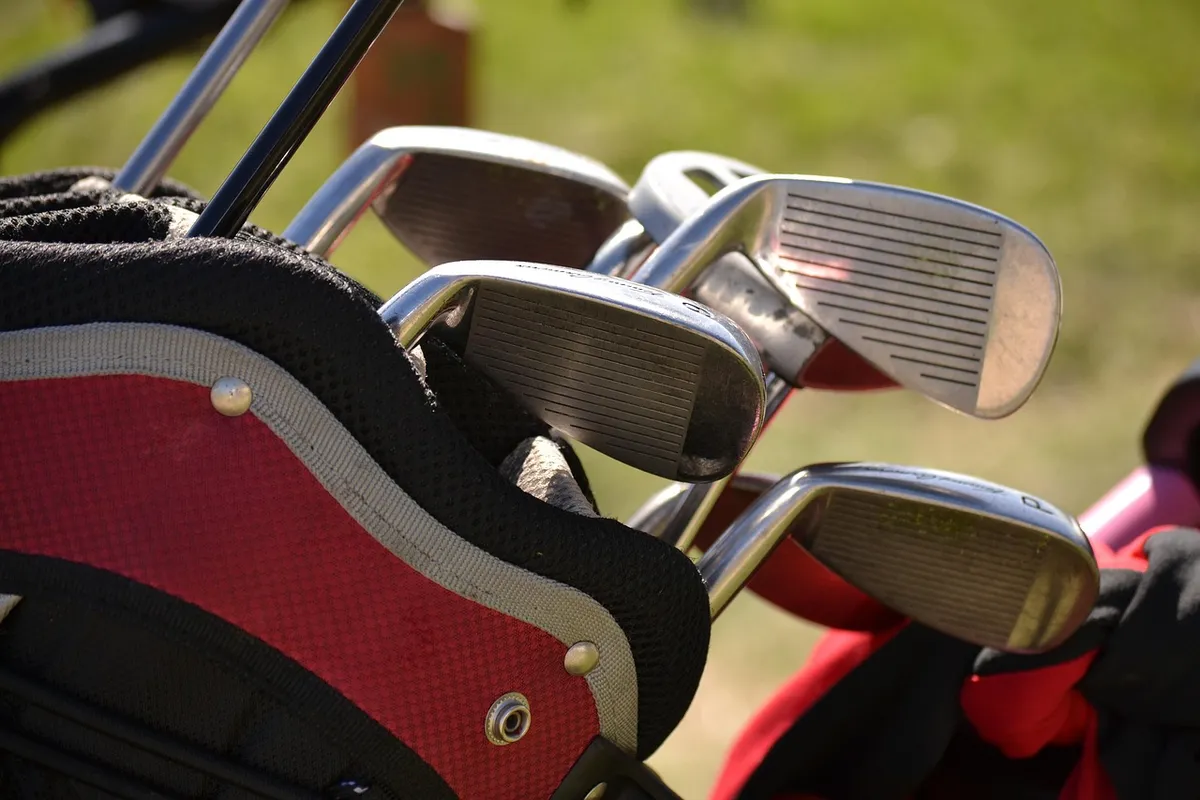
When measurements are not standardized, a player may end up with clubs that do not provide the intended launch or spin. This can lead to a sudden drop in performance during critical shots.
Ensuring that every club in the bag meets a consistent standard is vital for maintaining a predictable scoring average.
| Measurement Issue | Impact Detail |
|---|---|
| 1/4 inch length difference | Potential for confusion and swing timing issues |
| 2-degree lie angle change | Affects ball direction and ground contact |
Selecting the wrong club often results in poor approach shots and difficulty holding greens. These errors lead to more shots taken per hole and increased difficulty in managing course hazards.
How to preventing score loss in fitting?
A professional fitter carefully examines the clubface after a strike, looking for signs of improper loft or lie. Prevention starts with meticulous attention to detail during the initial measurement phase.
To focus on preventing score loss in fitting, players should prioritize consistency across their entire set. If a player experiences varying measurements for the same club type across different sessions, they should seek a more standardized fitting environment.
Always verify that the club's characteristics, like the 18 degree head used in specific setups, align with the intended shot shape.
Preventing score loss requires prioritizing stability and forgiveness over pure distance. Selecting equipment that maintains a tight shot pattern under pressure ensures more predictable scoring opportunities.
Fixing club fitting mistakes

A golfer sits in a quiet room, reviewing data from a recent session to decide which clubs to keep. Correcting errors requires a willingness to re-evaluate equipment that does not perform as expected.
Fixing club fitting mistakes often involves seeking a third opinion or a more comprehensive session to resolve inconsistencies. For instance, a player might decide to pay for a third fitting to resolve confusion caused by previous measurement discrepancies.
Addressing these issues early prevents the long-term frustration of playing with improper equipment.
To correct fitting errors, adjust lie angles, loft, and shaft length to better align with the golfer's swing plane and impact position. Regular re-fitting is also necessary to account for changes in swing technique or physical strength.
Related
- Pro golfer putter choice: Shaft length affects control guide
- Club fitting for beginners: Guide to better shots
When is a professional opinion necessary?
A golfer might need a professional opinion when the current equipment setup does not match the desired shot execution. If the player suspects the current club setup is causing unpredictable shots, seeking expert input is prudent.
This applies if the golfer cannot reconcile the feeling of the club with the desired outcome on the course.
The golfer must rely on the fitter's expertise to translate swing dynamics into physical club specifications. This is crucial when the golfer's own assessment of the equipment feels insufficient or contradictory. A trusted professional can offer objective data to guide the adjustment process.
What is the role of the golfer's feedback?
The golfer's feedback is essential because the equipment is ultimately meant to match the golfer's unique action. If the golfer feels the club is unresponsive or too stiff, this feeling must be communicated clearly. This subjective feeling guides the objective adjustments made by the technician.
The golfer's experience during practice sessions provides the necessary context for the technician's measurements. This allows the technician to correlate the physical data with the actual performance felt during the swing. Accurate communication between the two parties drives successful fitting.



Comments 0