Pro golfer putter choice: Shaft length affects control guide
"The right equipment is not just about preference; it is about controlling the variables of the stroke."
Choosing the right equipment requires understanding how shaft length and design influence stability. This guide explores how professionals select tools to minimize movement, from standard lengths to specialized belly putters.
Key takeaways include understanding the impact of shaft length on control, the purpose of anchoring styles, and how design reduces unnecessary movement during a stroke.
How does shaft length affect a pro golfer putter choice?
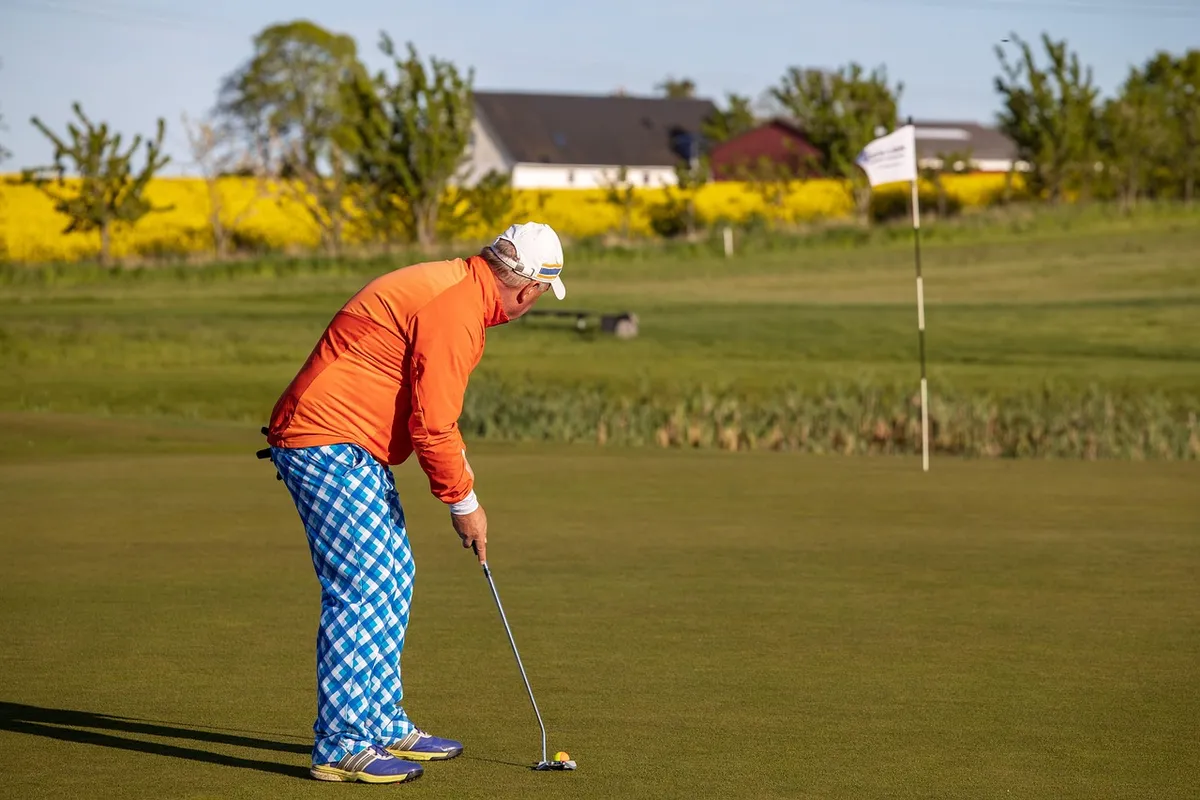
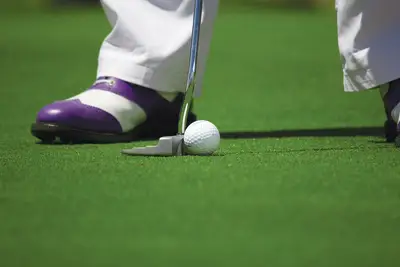
Standing on the manicured green at noon, the golfer adjusts the grip to feel the subtle shift in balance.
A golfer stands over the ball, adjusting the grip to find the perfect balance. Most players select a tool that fits their height and arm length to ensure a consistent stroke.
According to The International Federation of PGA Tours, the organization was founded in 1996 to enable the world's leading tours to discuss common and global issues in professional golf.
Standard putters typically feature a 32-to-35-inch (81–89 cm) shaft. While these measurements serve most players, lengths can vary, with shorter shafts used by ladies and juniors, and longer options for men.
Advanced designs often utilize varying shaft lengths and grips to reduce the "degrees of freedom" allowed during a stroke. By limiting these movements, a player can achieve much higher consistency on the green.
- Assess the natural posture and eye alignment over the ball.
- Adjust the shaft length to maintain a consistent pendulum arc.
- Verify that the grip position allows for optimal wrist stability.
What defines an elite golfer putter guide for stability?
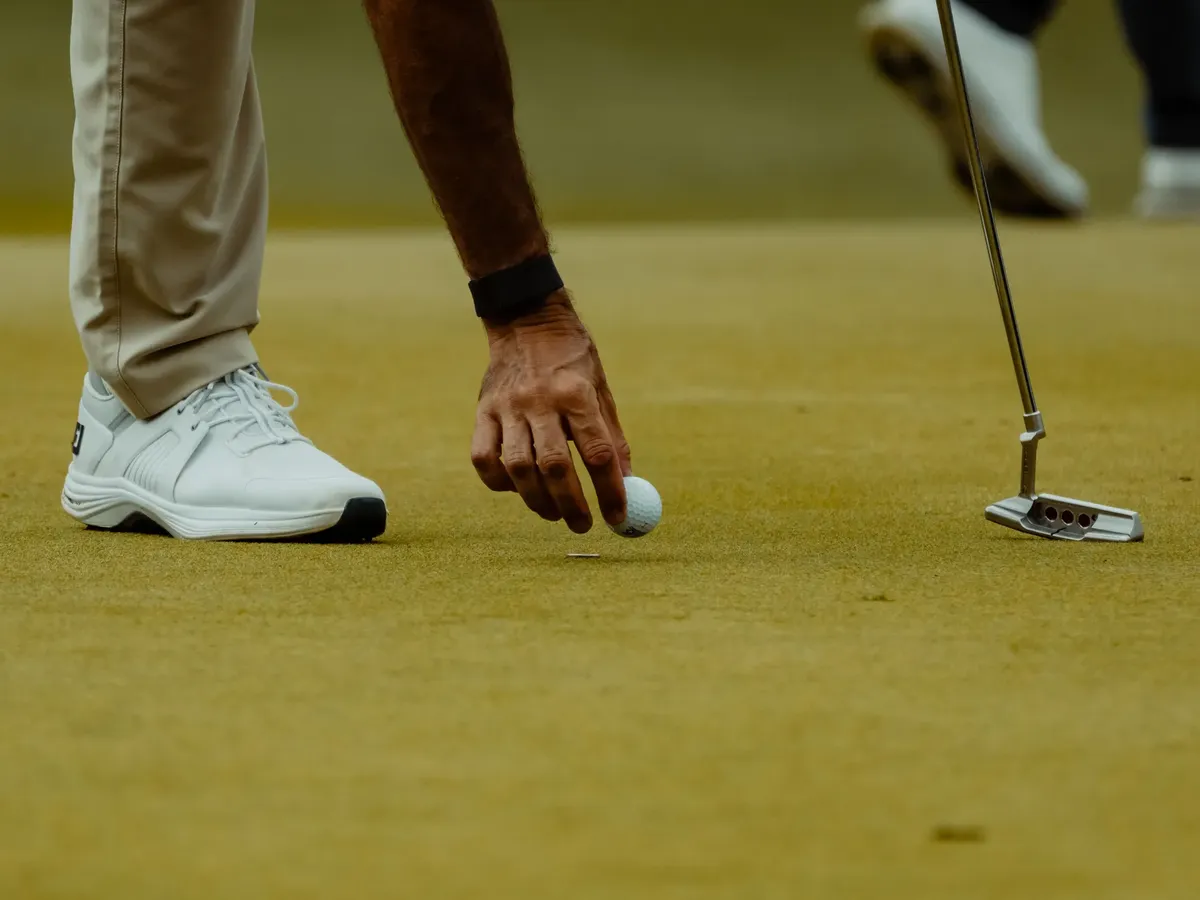
At sunset on the quiet fairway, the elite golfer grips the heavy club and feels the steady weight settle into their hands.
The player grips the club firmly, feeling the weight settle into their hands. They look for a design that provides a steady, repeatable motion.
Stability is a primary concern for any advanced putter selection. Some players opt for specialized tools like a belly putter to manage their stroke. A belly putter is typically about 6 to 8 inches (15–20 cm) longer than a normal putter.
It is specifically designed to be "anchored" against the abdomen of the player to provide a fixed point of contact. This anchoring helps stabilize the clubhead during the stroke.
In this order, the second step is the most critical.
How does an advanced putter selection handle different conditions?
A golfer watches the wind whip across the grass at a historic course. They consider how their equipment will perform when the weather turns unpredictable.
Environmental factors can change how a top player putter setup feels. For example, during a tournament at St Andrews, wind gusts of over 40 mph suspended play for 66 minutes. Such conditions can make a stable, anchored stroke more difficult to maintain.
Selecting a club that minimizes unintended movement is vital when external forces threaten to disrupt the player's rhythm.
Why is an improving golf scores strategy focused on precision?

The golfer eyes the hole, calculating the distance and the subtle slope of the green. Every small adjustment in the grip affects the final result.
Precision in putting is essential for improving golf scores. While hitting greens in regulation is a key metric, the ability to finish the hole depends on the putter. A player's ability to control the club through the impact zone is what separates casual players from professionals.
Using a tool that limits unnecessary movement helps ensure the ball travels the intended distance.
What are the mechanics of an advanced putter selection?
The player tests the weight of the clubhead against the grip. They move through a practice stroke to ensure the balance feels natural.
An advanced putter selection often involves specific technical considerations:
- Select a shaft length that allows for a natural arm hang. 2. Choose a grip or head style that suits the preferred stroke type. বিষয়টি
- Evaluate how much anchoring or freedom of movement is required.
A final check involves testing the club's stability under different pressure levels. I once found that adjusting the grip height significantly changed how the club felt during a practice session.
How do different styles compare?
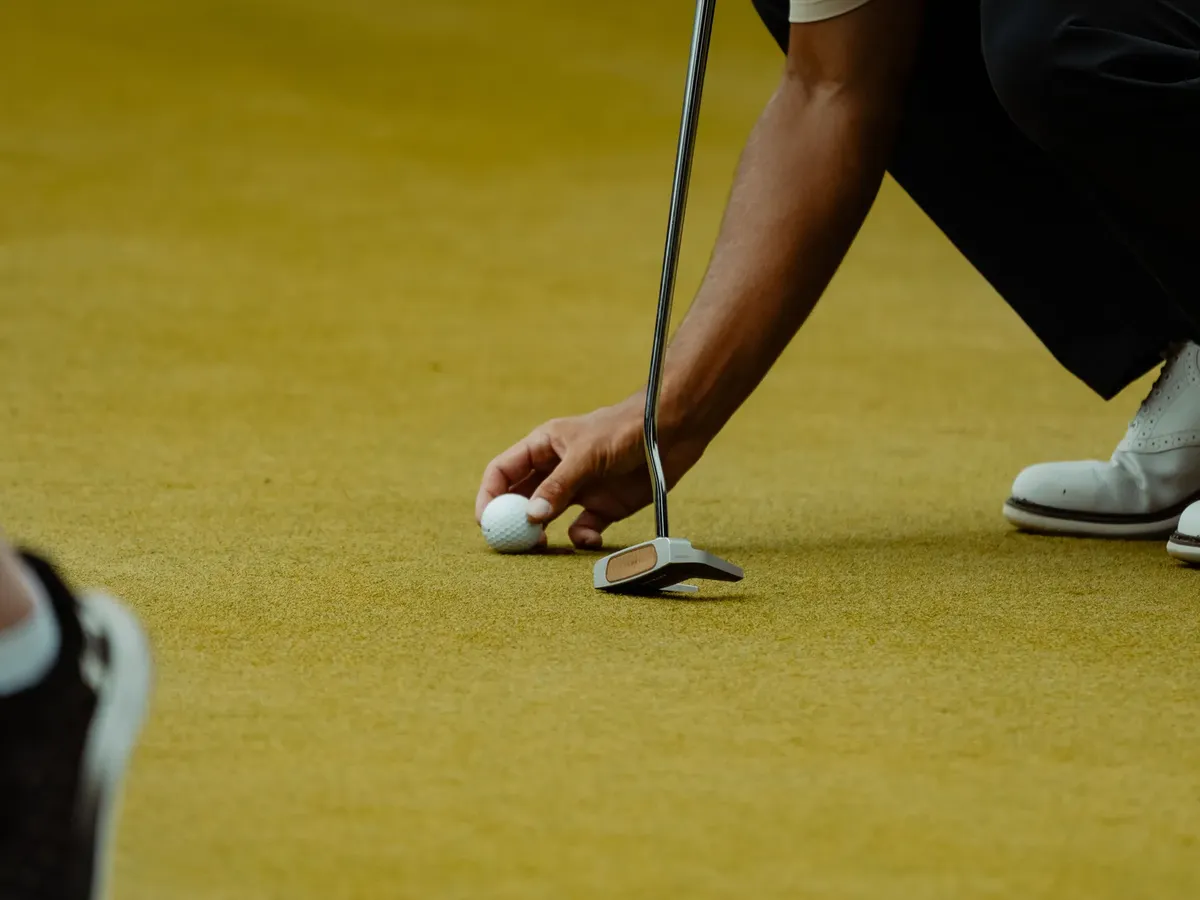
A player holds a standard putter in one hand and a belly putter in the other. They compare the length and the feel of the grip.
| Putter Type | Common Characteristic |
|---|---|
| Standard Putter | 32-to-35-inch (81–89 cm) shaft |
| Belly Putter | 6 to 8 inches (15–20 cm) longer than normal |
The choice between these styles depends on whether the player prefers a free-swinging stroke or an anchored one.
The subject here is Pro golfer putter choice.
The same subject is also called Pro golfer club choice.
This part also covers Putter fitting impact.
This part also covers Analyze putter performance.
Related
- Club fitting for beginners: Guide to better shots
- Driver Head Design Comparison: Modern vs. Historical Tech
When is the right equipment most critical?
The right equipment proves its worth when external conditions challenge the golfer's control. When wind gusts are present, the equipment must allow the player to maintain a consistent input despite environmental variables.
This is where the difference between a standard putter and a belly putter becomes most apparent in maintaining the desired stroke.
The choice of equipment dictates how much the player must fight against external forces. If the conditions are harsh, the equipment must be able to translate the player's intention into predictable action on the green. This translation relies heavily on the initial selection of the right equipment.
What cautions accompany advanced putter use?
A caution regarding advanced putter use involves the potential for over-reliance on a specific design feature. While anchoring provides stability, forcing a stroke into a fixed pattern when it does not suit the player can introduce new errors.
The player must always verify that the chosen equipment supports the desired movement profile.
The player must assess whether the stability provided by the equipment is truly aiding the stroke or merely restricting a natural movement pattern. This careful evaluation prevents the golfer from unknowingly compounding small errors into large ones.
The right equipment assists, but it does not dictate success alone.


Comments 0