Top Golfers Driver Choice: Titleist vs Callaway Guide
"I walked into the Titleist Performance Institute in Oceanside with a driver I absolutely love."
Choosing between a Titleist driver and a Callaway driver often comes down to a player's specific swing characteristics and the desire for precision versus forgiveness.
This guide examines how professional-level equipment choices influence performance and provides a look at the technical nuances of driver selection.
How to approach a Titleist driver selection?

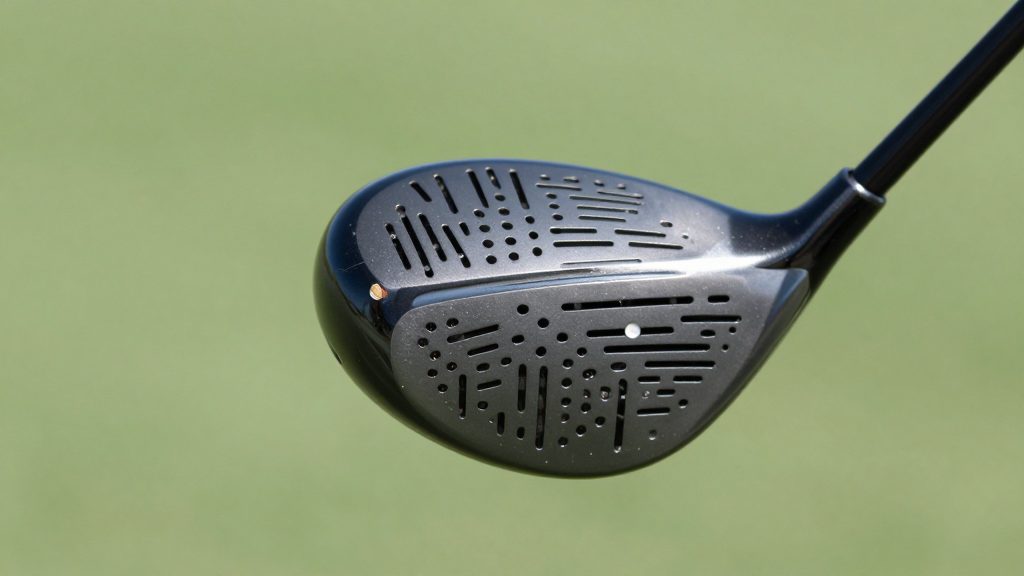
Inside the quiet fitting center, I grip the cold steel of the club while studying the head shape, wondering if this choice will satisfy the precision required by professional golfers.
A golfer walks into a fitting center clutching a club they have used for years, hoping to find something even more precise. This scene of searching for the perfect strike defines the Titleist driver experience, where players often seek consistency over pure ease of use.
Professional golfers often gravitate toward specific models to maintain a repeatable feel. When evaluating a Titleist driver, players focus on the flight control and the ability to manipulate the ball shape.
This type of driver selection is common among those who possess high swing speeds and stable contact.
The process of finding the right head and shaft combination requires significant time and professional guidance. Many players find that the specialized tuning offered by high-end fitting centers helps them achieve their specific goals.
This level of customization is a key part of the driver selection process for competitive players.
- Evaluate your current swing speed and launch conditions.
- Test different head shapes to find the preferred visual alignment.
- Select a shaft profile that matches your desired spin rate.
What makes the Callaway driver experience unique? Top Golfers Driver Choice A golfer stands on the range, testing a new head to see how it handles off-center hits. This is the primary focus when considering a Callaway driver, where technology often emphasizes forgiveness and distance through advanced face designs.
Callaway drivers are frequently recognized for their innovation in stability and ball speed. Players who need a bit more help on mishits may find these clubs more accommodating during a round. This makes the brand a popular choice for a wide variety of skill levels.
The comparison between these two industry leaders often centers on the trade-off between workability and forgiveness. While one brand might cater to the purist, the other often leads in technological ease. Understanding these differences helps in making an informed decision.

In this sequence, the second step is the most extensive.
How do professional driver use cases compare? A professional athlete steps up to the tee, gripping a club that has been tuned to their exact swing. This real-world application illustrates why certain players prefer specific brands over others.
The choice often depends on the specific requirements of a player's game. For example, a long-drive specialist might prioritize different mechanics than a touring professional.
Canadian long drive champion Jason Zuback broke the world ball speed record on an episode of Sport Science with a golf ball speed of 328 km/h (204 mph).
| Feature | Titleist Focus | Callaway Focus |
|---|---|---|
| Primary Goal | Precision and Workability | Forgiveness and Ball Speed |
| Player Type | Low to Mid Handicap | Wide Range of Handicaps |
I once felt the weight of a club during a session and realized how much the head design affects my natural swing. This personal observation highlights why driver selection is never a one-size-fits-all endeavor.
How to conduct a professional driver fitting
A technician adjusts the loft and lie of a club while the player prepares for a swing. Following a structured approach ensures the equipment matches the human element of the game.
- Analyze current swing data to determine baseline speed and launch angles. 2. Test multiple head models to compare spin rates and flight stability. 3. Match the shaft weight and flex to the player's unique tempo.
After completing these steps, a final check of the club's balance and feel is necessary. This ensures the driver feels natural during a full-speed swing.
When is driver selection limited?
A golfer realizes that even the most expensive club cannot compensate for a complete lack of fundamental technique. This reality serves as a reminder that equipment is a tool, not a magic fix.

The effectiveness of a driver is limited by the player's ability to strike the ball consistently. No matter how much technology is packed into a head, the physical swing remains the primary driver of performance.
The subject here is Top Golfers Driver Choice.
The same subject is also called Titleist vs Callaway Driver.
The same subject is also called Pro Driver Selection Guide.
The same subject is also called Famous Golfer Driver Use.
The same subject is also called Driver Choice Comparison.
This part also covers Titleist Driver Review.
This part also covers Callaway Driver Deep Dive.
This part also covers Driver Fitting Factors.
Titleist Driver Review
Related





Comments 0