Golf club selection guide: Match club to 8 km swing
Selecting the right equipment requires balancing technical performance with the physical demands of the course. A proper golf club selection guide focuses on matching club specifications to a player's skill level and the specific terrain encountered during a round. 1. Understand how club performance factors vary by skill level. 2. Learn how to match club to handicap through technical specs. 3. Identify the physical realities of course traversal. * Recognize the impact of local course rules on equipment use.
How does a player navigate course distance and physical demand?
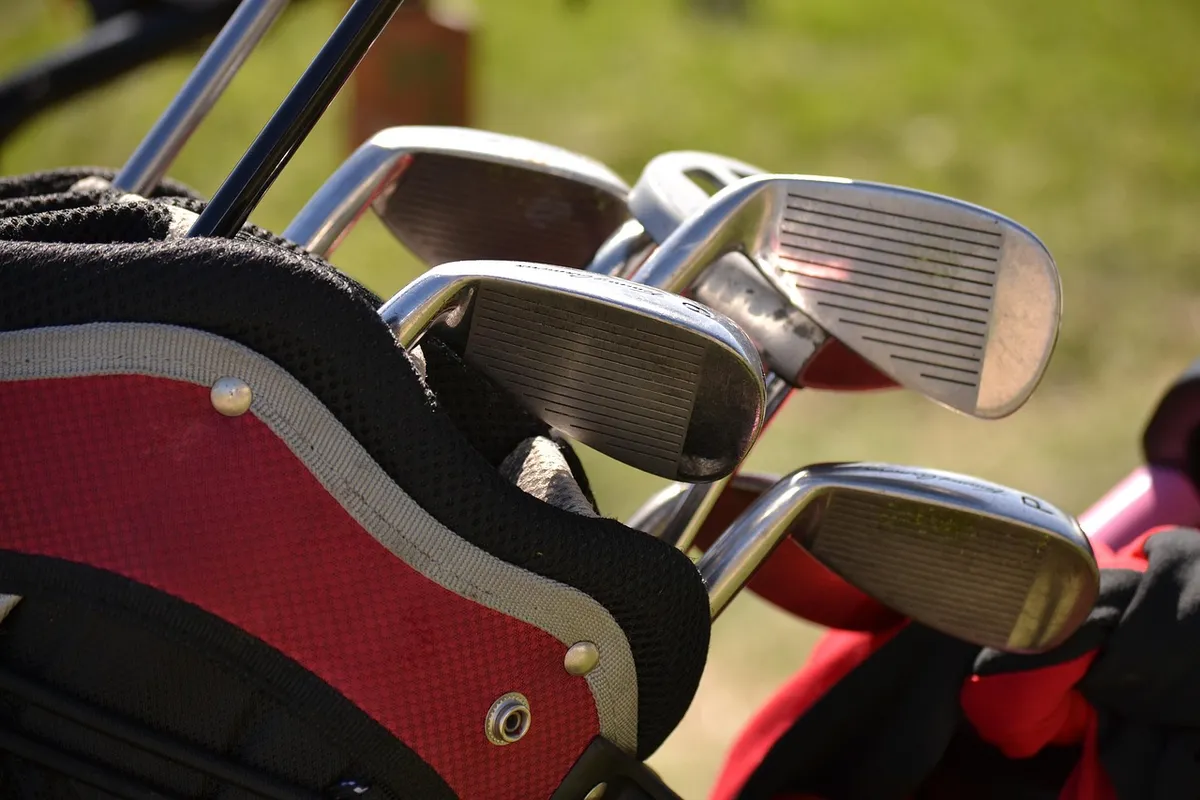
A golfer steps onto the first tee, feeling the weight of the bag and the vastness of the fairway ahead. Walking a 7,000-yard (6,400 m) course might traverse up to 5 miles (8 km).
As the player moves between holes, the physical exertion of managing heavy bags and walking long distances becomes a factor in stamina. Choosing clubs that offer stability and ease of use can help manage this fatigue over a long round.
The distance covered dictates the need for reliable yardage control and consistent club performance.
In this sequence, the second step is the most extensive.
What are the rules regarding equipment and course paths? Golf club selection guide
Under the bright morning sun, I steer my cart carefully along the gravel path to follow the local golf rules.
The sun beats down on the turf as a driver pulls a cart toward the fairway, eyeing the landing zone. Courses may institute rules such as "90 degree paths", where drivers must stay on the cart path until level with their ball, and then may turn onto the course.

These regulations influence how players approach their setup and how they carry their gear. Following these rules ensures that the playing surface remains intact and that the equipment is used in a manner consistent with local etiquette.
Understanding these constraints is part of the broader process of choosing your golf club for specific environments.
Can club specs by skill level be understood through technical attributes?
A technician adjusts the loft on a wedge, ensuring the angle is precise for the target distance. Matching club to swing speed and technical ability is essential for consistent ball striking.
Players with higher handicaps often benefit from higher forgiveness in club heads, while lower handicaps might prefer more direct feedback. Performance is often tied to how the club head and shaft interact during the swing.
This technical relationship determines how much error the equipment can absorb during a standard shot.
How do players manage the balance of weight and performance?
A golfer shifts their grip on a heavy iron, feeling the balance of the shaft against the head. The physical weight of the equipment plays a role in how the club performs over many holes.

When selecting gear, a player must consider the weight of the heads and the stiffness of the shafts. If the equipment is too heavy, it may lead to fatigue during a long walk; if too light, it may lack the stability needed for powerful swings.
Finding the right balance is a key part of the selection process.
What are the practical steps for evaluating equipment?
A player stands on the practice green, testing the feel of a new putter against the grass. Evaluating equipment requires a methodical approach to ensure the gear meets the player's needs.
- Test the clubhead's stability and forgiveness during various swing speeds. 2. Assess the shaft flex to ensure it matches the player's natural tempo. 3. Verify that the weight distribution feels natural during a full swing.
I remember standing on the driving range, testing how a specific shaft stiffness felt during a long session. Ensuring the equipment remains playable after several miles of walking is vital.
- Assess the current swing speed and consistency. 2. Test various clubhead weights to find the ideal feel. 3. Verify the loft and lie angles for accuracy.
Is there a limit to how much equipment can compensate for skill?
A golfer looks at the scorecard, noting the distance remaining to the pin. While modern technology offers significant assistance, it cannot replace the fundamental mechanics of a swing.
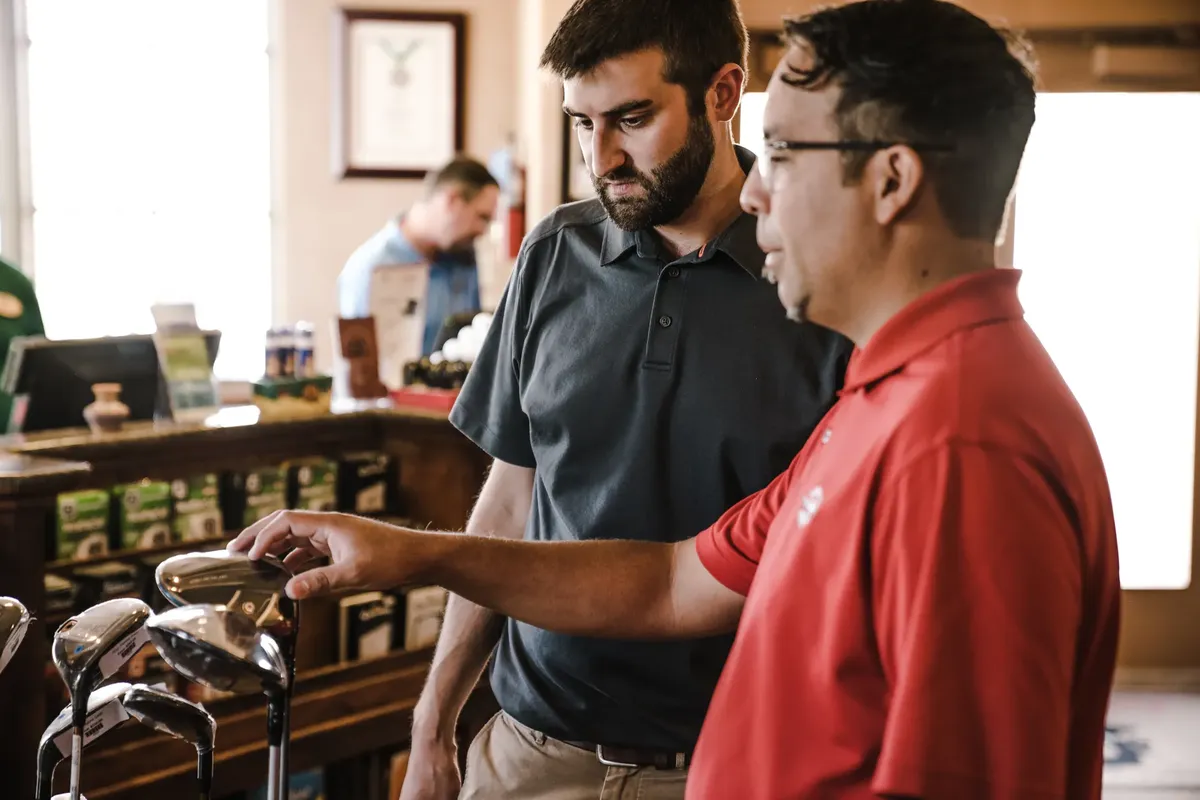
The effectiveness of any club is limited by the player's ability to strike the ball cleanly. Even the most forgiving equipment has limits when faced with extreme swing inconsistencies or poor contact.
A limitation of high-performance gear is that it may not fully compensate for a complete lack of fundamental swing technique.
The subject here is Golf club selection guide.
This part also covers Understanding loft and lie angle.
This part also covers Impact of shaft stiffness.
Matching club to swing speed
Related
How does the selection process account for the golfer's physical condition?
The golfer's physical condition influences the selection of the right equipment because the round demands sustained physical output. A player must consider the cumulative effect of walking and swinging throughout the entire round. This holistic view ensures that the chosen clubs support the body rather than unduly tax it over the course length.
The physical realities of course traversal are intertwined with the equipment chosen. If the clubs do not match the player's current physical state, the round becomes unnecessarily taxing. Therefore, the selection process must be adaptive to the golfer's endurance level.
What are the considerations when matching equipment to a player's ability?
Matching club to swing speed involves more than just selecting a driver; it requires a holistic view of the golfer's capabilities. The technician's role is to translate the player's physical attributes into the appropriate technical specifications for the equipment. This technical translation is crucial for achieving consistent ball striking.
The ability to strike the ball cleanly is the ultimate measure of equipment effectiveness. Even with the most forgiving equipment, poor contact will limit the performance achievable from the selected clubs. Thus, the golfer's ability dictates the upper bound of the equipment's potential.
The selection of the right equipment requires balancing technical performance with the physical demands of the course, a balance that shifts throughout the round.
Comments 0