Golf club materials science: Guide to modern club design
"The club is an extension of the player, where the marriage of heavy metals and engineered composites dictates every yard gained on the fairway."
Modern golf club materials science involves balancing weight, volume, and flex to maximize performance. This guide explores how club head material impact and shaft material performance combine to influence distance and feel.
Key takeaways include understanding volume limits, weight variations in shafts, and how material choices affect distance for different player profiles.
How do club head dimensions impact performance?
At the tee box, I grip the massive club head and feel the heavy weight of the golf equipment in my hands.
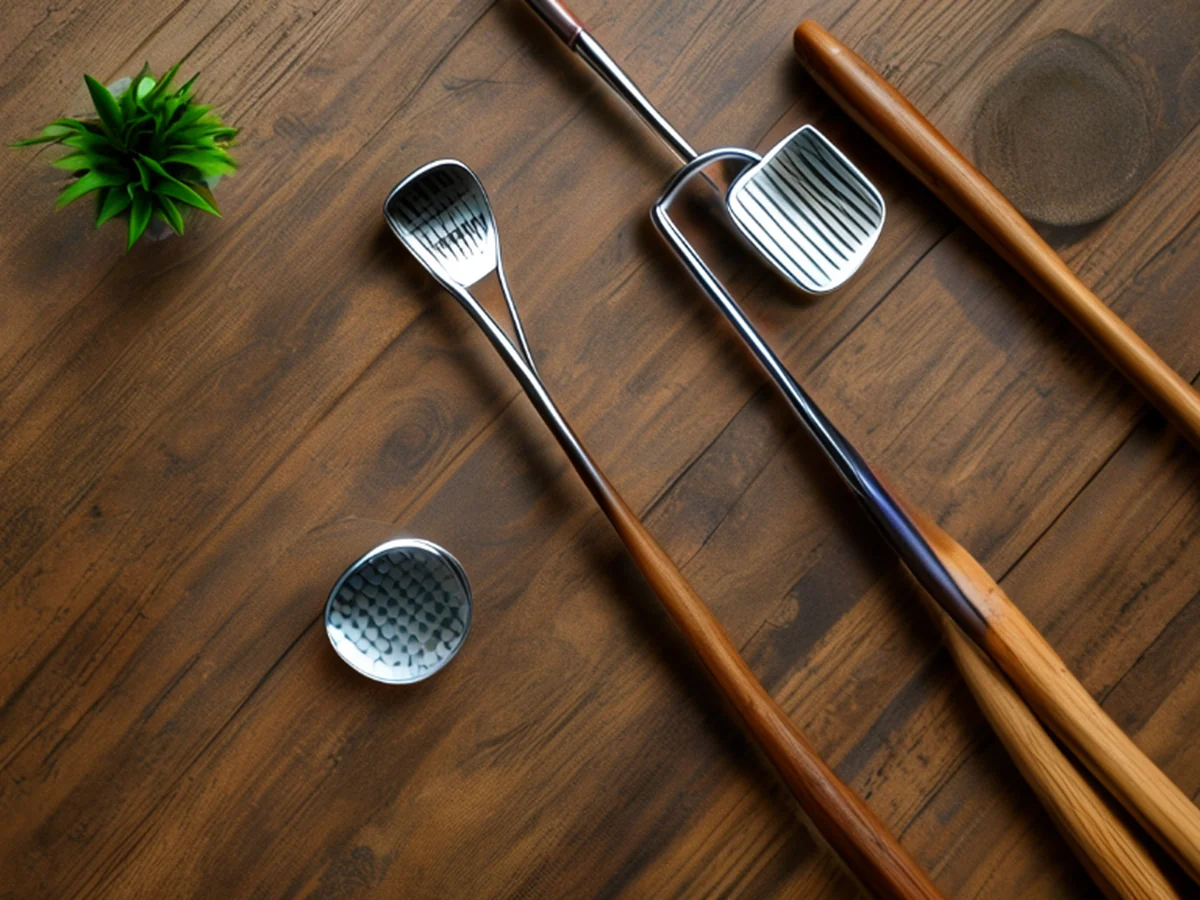
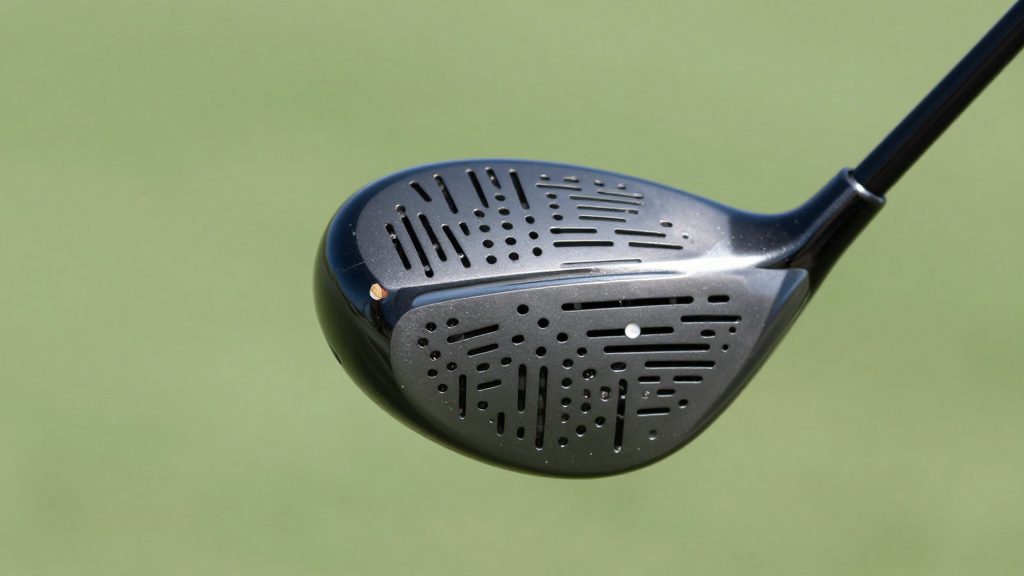
A golfer stands on the tee box, eyeing a driver with a massive head designed for maximum energy transfer. Understanding the relationship between volume and stability is essential for any player looking to optimize their swing.
The USGA allows woods to have very large heads, up to 460 cm3 (28 cu in) in volume, for sanctioned events. This volume limit serves as a ceiling for professional play, though drivers with even larger club-head volumes are available for long-drive competitions and informal games.
While larger heads can offer a more forgiving surface, the regulation limits ensure a level of consistency across competitive fields.
The transition from traditional shapes to modern designs was influenced by these volume constraints.
The "plain in shape" rule was more recently bent to allow for non-traditional driver club head shapes, such as squares, as a compromise to club-makers after imposing and enforcing a 460 cm3 (28 cu in) volume limit on these same club heads.
This shift allows for varied club head material impact characteristics while staying within the rules.
Larger club heads generally provide a more forgiving sweet spot, while smaller heads offer better control for skilled players.
What determines the length and weight of a shaft? Golf club materials science
The player grips a long driver, feeling the tension of the shaft as they prepare for a powerful swing. Shaft characteristics are vital because they dictate how the club moves through the hitting zone.
The length of the woods has been increasing in recent decades, and a typical driver with a graphite shaft is now 45.5 inches (1,160 mm; 116 cm) long. This increased length can change the swing dynamics significantly compared to older models.
Additionally, the shaft is roughly 0.5 inches (13 mm) in diameter near the grip and can range from 34 to 48 inches (86 to 122 cm) in length.
Weight is another critical factor in shaft material performance. Shafts weigh from 45 to 150 grams (1.6 to 5.3 oz), depending on the material and length. I noticed that choosing a lighter shaft can drastically change the feel of a club during a practice session.
- Assess your preferred swing tempo to determine the appropriate shaft flex.
- Evaluate your height and arm length to decide on the optimal club length.
- Balance the shaft weight against the club head to maintain a consistent swing feel.
How does material choice affect distance?
A golfer watches the ball soar toward the horizon, wondering how the light-weight components contributed to the flight. Modern materials allow for specialized tools tailored to specific swing speeds.
Current graphite shafts weigh considerably less than their steel counterparts, sometimes weighing less than 50 grams (1.8 oz) for a driver shaft, allowing for lighter clubs that can be swung at greater speed. This weight reduction is a primary driver in increasing clubhead speed.

By using lighter materials, players can often generate more velocity, which directly affects the outcome of the shot.
Different players require different flex profiles to maintain control.
Some companies also offer a "stiff-regular" or "firm" flex for players whose club speed falls in the upper range of a Regular shaft (90–100 mph (140–160 km/h)), allowing golfers and club makers to fine-tune the flex for a stronger amateur-level player.
This customization ensures the clubhead remains stable during high-velocity impacts.
In this order, the second step is the most critical for maximizing energy transfer.
How are chipping and putting clubs differentiated?
A player approaches the green, picking up a club that looks like a putter but behaves differently. Understanding the loft-based classifications is necessary to avoid confusion with club rules.
Most chippers have a loft greater than 10 degrees, which is the maximum loft permitted by the Rules of Golf for a club to be classed as a putter, so these clubs are actually classed as irons.
This distinction is important because even if a club looks like a putter, its loft dictates its classification.
Some specialized clubs are designed with unique faces to assist in short-game play. Some chippers (a club similar in appearance to a double-sided putter but having a loft of 35–45 degrees) have two faces, but are not legal.
Therefore, any double sided club with a loft greater than 10 degrees is not legal.
Chipping clubs often feature more loft and higher bounce, whereas putters are designed with flatter faces and specific lofts for ground-level accuracy.
Summary of club component specifications
The following table compares the physical dimensions and weight ranges of common club components to illustrate the variety in modern equipment.
| Component Type | Length / Volume Range | Weight Range |
|---|---|---|
| Driver / Woods | Up to 45.5 inches / 460 cm3 | 45 to 150 grams |
| Shafts | 34 to 48 inches | 45 to 150 grams |
When selecting a club, players must consider these variables to ensure the equipment matches their swing speed and style. I always check the weight of the shaft first to see how it balances with the head.
Key specifications include loft, lie angle, shaft flex, and swing weight.
How to select the right club components
A player sits at a club-fitting station, testing different shafts and heads to find the perfect match. Selecting the right equipment involves a systematic approach to matching material properties to physical ability.
- Evaluate your swing speed to determine if you need a specialized flex, such as a "stiff-regular" option for higher-speed players. 2. Match the shaft weight to your preference, noting that graphite can be significantly lighter than steel to aid speed. 3. Check the club head volume and loft to ensure the club meets the specific needs of the course and legal regulations. 4. Perform a final check to confirm the club's total length and weight feel natural during a full swing.
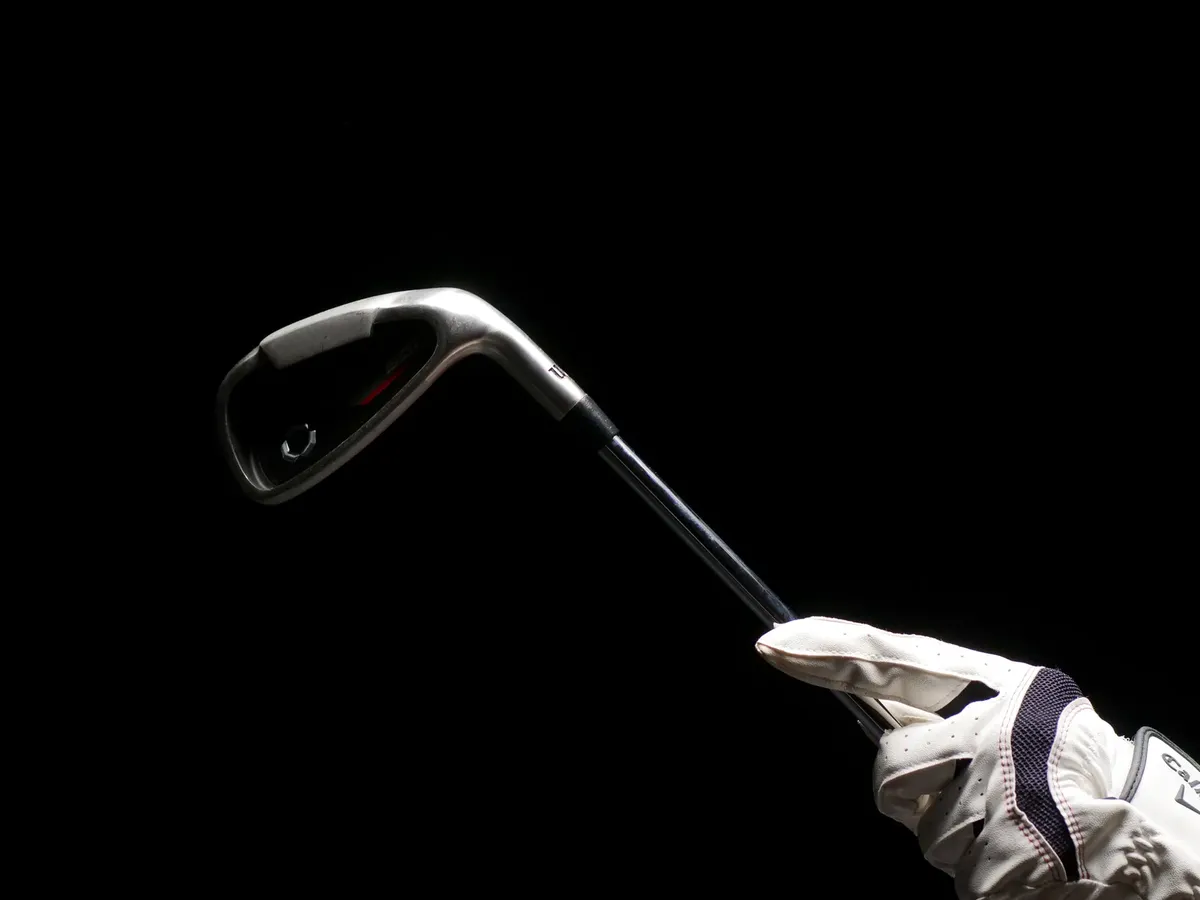
A limitation in selection is that the optimal setup for one player may not work for another due to individual swing speed variations.
Match your equipment to your specific swing characteristics and skill level to ensure consistency.
Wikipedia: Golf Based on the retained excerpt mentioning National Golf Foundation: In the United States, the number of people who play golf twenty-five times or more per year decreased from 6.9 million in 2000 to 4.6 million in 2005, according to the National Golf Foundation.
The subject here is Golf club materials science.
The same subject is also called Modern club materials.
This part also covers Titanium vs stainless steel clubs.
This part also covers Material choice affects distance.
This part also covers Sound and feel of club.
Titanium vs stainless steel clubs
Related



Comments 0