Golf Club Sets: A Complete 2026 Guide for Every Budget
"The right set of clubs isn't just gear; it’s the foundation of your scorecard."
Finding the perfect golf club set in 2026 means balancing cutting-edge technology with your specific swing data rather than just chasing big brand names. Whether you are a beginner or an advanced player, the goal is to match club forgiveness and shaft specs to your actual skill level to avoid costly mistakes.
* Smart Budgeting: Beginners should opt for all-in-one starter sets, while intermediate players benefit more from "mixed" setups (combining brands). * 2026 Tech Trends: Hollow-body iron construction is currently dominating the market, offering a rare mix of high forgiveness and massive distance. * Data-Driven Choices: Prioritize your swing speed and clubhead speed over professional endorsements to ensure proper shaft flex. * Pro Insights: Use "WITB" (What's In The Bag) trends from major tours as a guide, but remember that pro specs can be punishing for amateurs.
Why is choosing the right full set so critical right now?
The golf equipment landscape has shifted dramatically heading into 2026. While manufacturers are constantly pushing the limits of distance, the real innovation this year lies in "smart forgiveness"—tech that helps you maintain speed even on off-center hits.
In the past, the consensus was often "expensive equals better." However, current trends show that finding equipment tailored to your specific swing metrics is far more effective for lowering your handicap.
I remember sitting in a fitting studio last month with a golfer who had just dropped $3,000 on a set of professional-grade muscle-back irons because he saw a pro using them. Within three holes, the vibration from his off-center strikes was so intense he was visibly struggling to maintain his grip.
Buying gear without considering your handicap is essentially putting an obstacle in your own way. It is much smarter to start with a proven, high-forgiveness set or strategically invest in premium clubs only for your most critical shots.

Performance Comparison: From Beginners to Single Digits
Your decision should always be a balance between your available budget and your performance expectations. The following table outlines the current 2026 market standards for different player tiers.
| Player Tier | Recommended Budget | Primary Target | Key Features & Strategy |
|---|---|---|---|
| Entry-Level | $800 – $1,500 | New Golfers | All-in-one sets; maximum forgiveness |
| Mid-Range | $2,000 – $3,500 | Bogey Players | Mixed brands (e.g., Driver + Iron combo) |
| High-End | $4,500+ | Low Handicappers | Tour-spec components; custom fitting required |
1. The Value Strategy for Beginners When you are just starting out, don't get bogged down in individual club specs. Instead, look for a "complete set" where the weight and balance of the entire bag are engineered to work together.
Major manufacturers like TaylorMade and Callaway have significantly expanded their entry-level packages this year. These sets feature larger clubheads with expanded sweet spots, meaning you won't lose as much distance when you miss the center of the face.
2. Optimizing Performance for Intermediate Players Once your score stabilizes, consistency becomes more important than raw distance. This is the stage where you should start looking at specific iron categories.
According to recent industry shifts, intermediate players in 2026 are moving away from basic "Game Improvement" models and gravitating toward "Players' Distance" irons that offer a sleeker look without sacrificing stability.

Brand Breakdown: Analyzing Pro WITB Trends
One of the most reliable ways to see what works is to look at "WITB" (What's In The Bag) data from professional tours. Looking at the 2025 and 2026 seasons, we can see clear patterns in equipment preference.
According to the PGA Tour’s 2025 Season Equipment Report, a few major brands hold an overwhelming 65% market share in the driver and iron categories. This shows that while technology is advancing, the "big players" still define the standard for elite performance.
However, there is a notable exception in short-game clubs. Pros often act as "equipment free agents" when it comes to wedges and putters, choosing brands based on pure feel rather than manufacturer contracts.
* Titleist: The gold standard for advanced players seeking precision, especially in wedges and balls. * TaylorMade: Best for players who prioritize explosive distance and cutting-edge tech. * Callaway: Offers a wide spectrum of clubs that balance soft feel with reliable direction. * Ping: Renowned as the "king of forgiveness," making them perfect for minimizing distance loss on mishits.
However, it is worth noting that professional specs can be detrimental to an amateur's game. A club designed for a 120mph swing speed will feel like a heavy metal rod in the hands of a recreational player.

A 4-Step Process for a Successful Purchase
Don't just walk into a big-box retailer and ask for "the best seller." Follow this systematic approach to ensure your investment pays off on the course.
- Gather Your Data: Know your average driver distance and swing speed. I highly recommend using a Trackman or similar launch monitor to get these numbers accurately.
- Set a Hard Budget Cap: Remember that the "set" is just the start. You need to account for a bag, rangefinder, and balls.
- Prioritize Your Weaknesses: Decide where you need the most help. If your short game is struggling, allocate more funds to high-quality wedges and a putter.
- Demo and Fit: Never buy without swinging. Visit a showroom or a professional fitting center to feel the clubhead weight and vibration.
According to Golf Digest's 2026 Consumer Trend Analysis, approximately 40% of new golfers regret their initial purchase because they failed to test-drive the clubs before buying.
The Iron Dilemma: Forgiveness vs. Performance
In 2026, the iron market is clearly divided into three distinct categories. Choosing the right one is the single most effective way to manage your score.
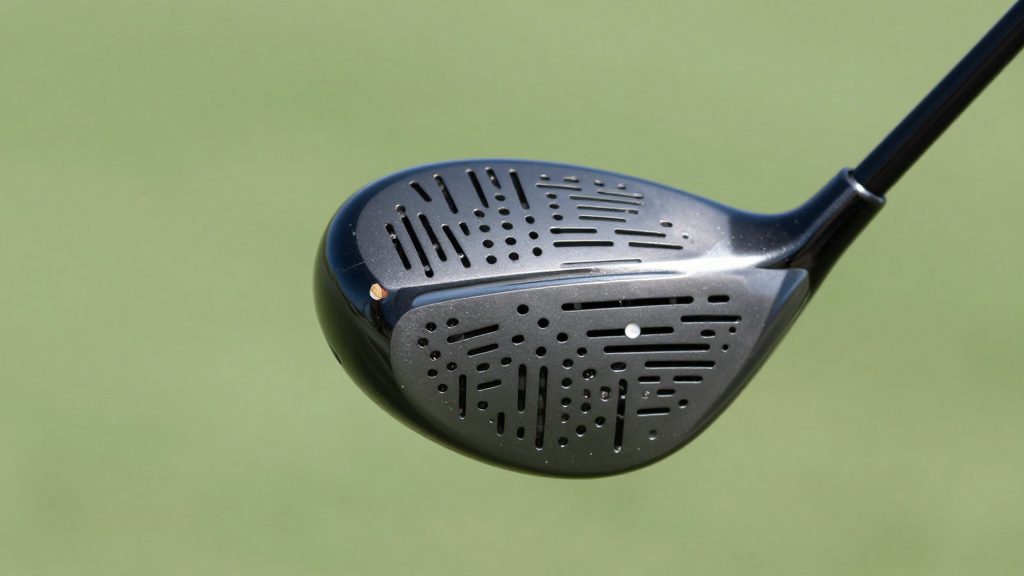
* Game-Improvement: These use hollow-body construction to maximize forgiveness. They have larger heads and more offset to help prevent slices. * Players' Distance: The "sweet spot" for mid-handicappers. They offer a clean look with enough tech to keep shots straight. * Traditional Blades: Designed for pros and low handicappers. These require extremely precise contact to be effective.
According to the USGA's 2025 Equipment Standard Update, recent technological leaps have made "Players' Distance" models almost as forgiving as older "Game-Improvement" sets. This makes them an excellent choice for the modern amateur.



Comments 0